True to his word our guide was ready and waiting outside the hotel at 7.30am. Our car, a well worn Pajero, and driver, already known to Alan from a previous trip, there with him.
It's amazing how much traffic is on the road heading in to the capital,Banjul, at this time of the morning. Once you clear this part of the country though there is very little on the roads at all but I wouldn't contemplate a self drive, too many obstacles to overcome as you'll find out if you read on!
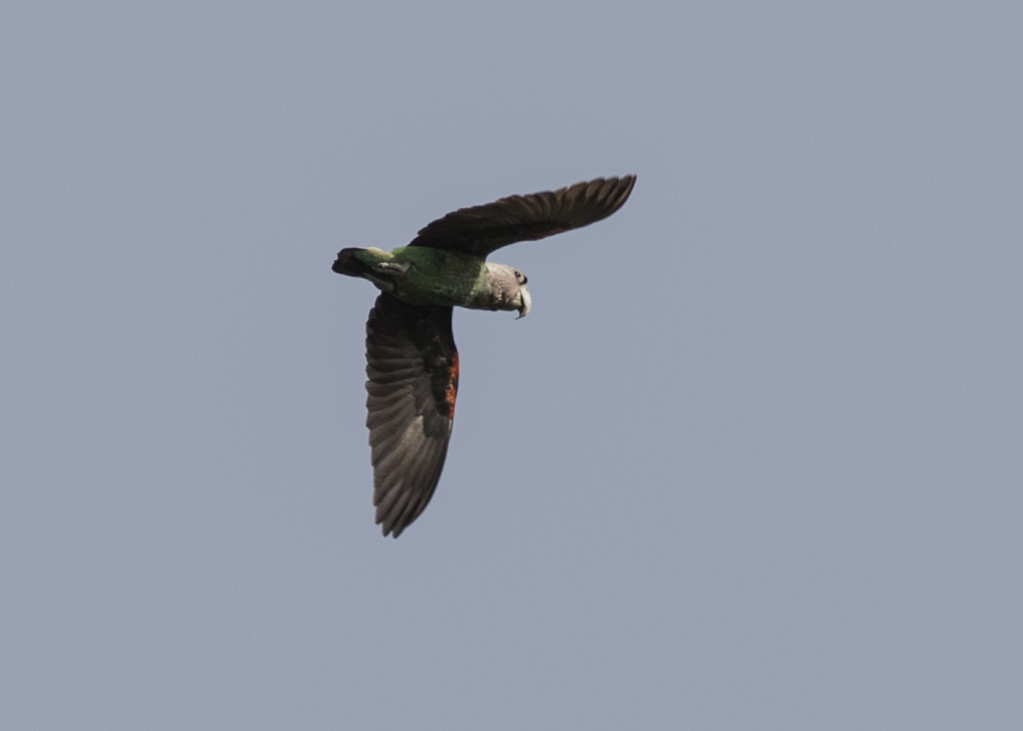
Our first stop was at a place we had previously visited. Well known as a possibility for the Brown-necked Parrot.
Sure enough we had a fly past.
 High in the sky we also had a Beaudoin's Snake Eagle patrolling the skies.
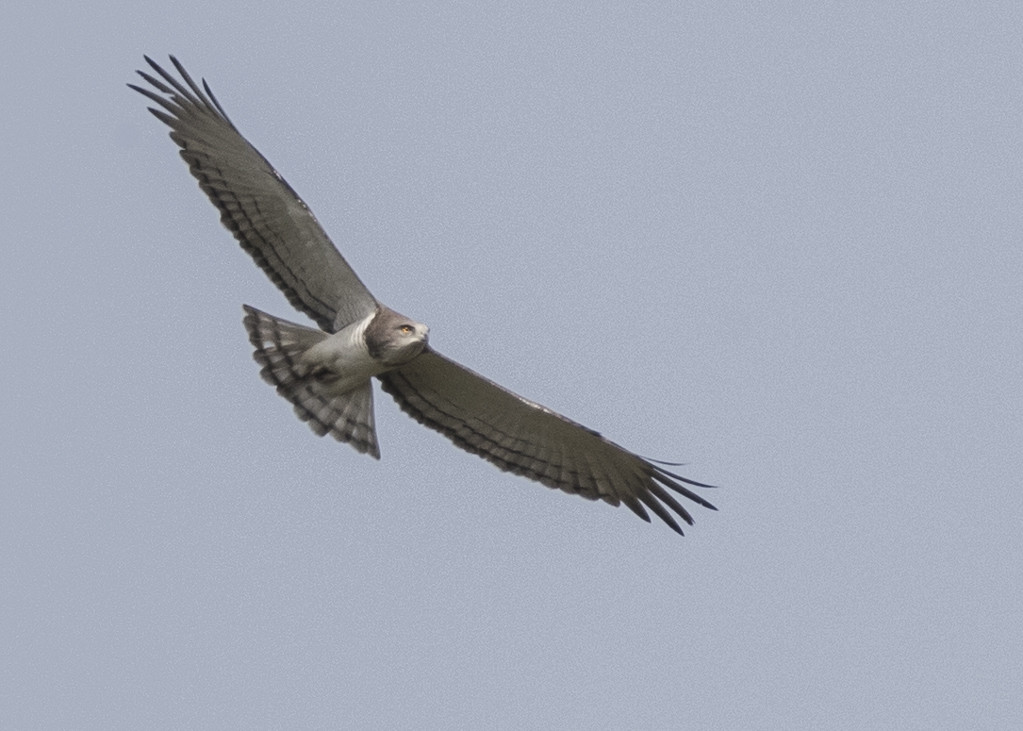 I needed to use a 2.0x teleconverter on my 500mm lens to get something usable. This was to be a regular feature of the whole trip as most of the subjects were either small or at a distance. The problem with that sort of magnification is that it also suffers from atmospheric distortion, especially in hot conditions, and boy, it was hot! Regularly over 35 degrees.
With not a lot more to see we moved on a little and tried our luck on a bush track.
Bingo. Levaillant's Cuckoo. A lifer for Alan.
I needed to use a 2.0x teleconverter on my 500mm lens to get something usable. This was to be a regular feature of the whole trip as most of the subjects were either small or at a distance. The problem with that sort of magnification is that it also suffers from atmospheric distortion, especially in hot conditions, and boy, it was hot! Regularly over 35 degrees.
With not a lot more to see we moved on a little and tried our luck on a bush track.
Bingo. Levaillant's Cuckoo. A lifer for Alan.
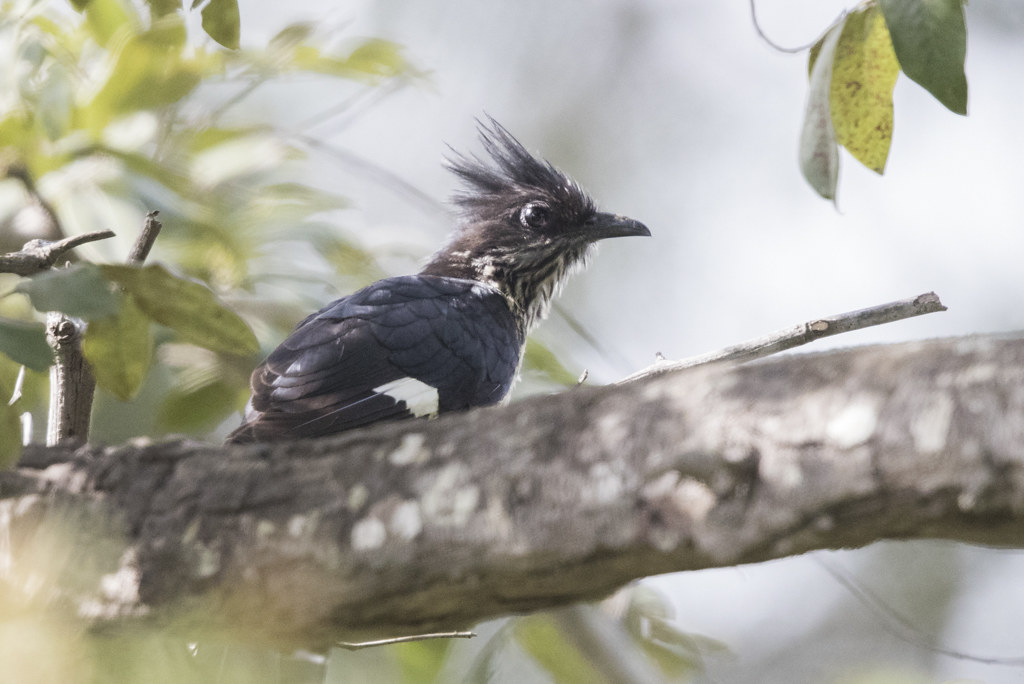 The shot was taken through the car window leaning over Alan !
Annoyingly the bird then turned around!
The shot was taken through the car window leaning over Alan !
Annoyingly the bird then turned around!
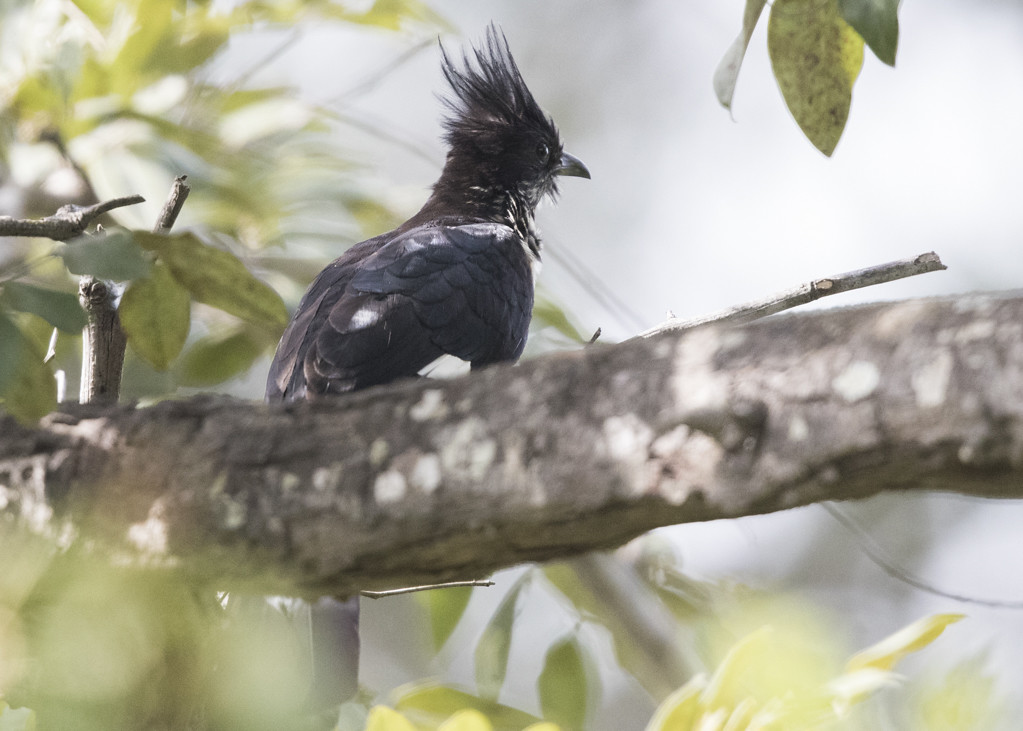 and just when you thought you would crack it, it only went and sat in a position obscured by a leaf!
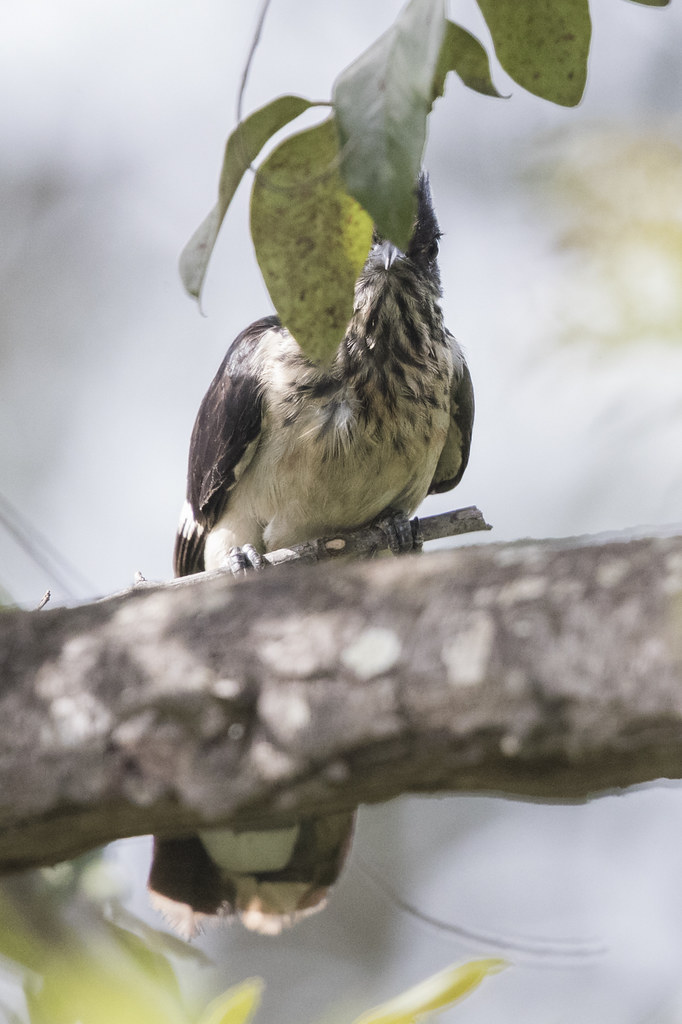 Then of course it flew!
We carried on our drive to our next stop where in the past we had had some good views of raptors over a small pond area.
Then of course it flew!
We carried on our drive to our next stop where in the past we had had some good views of raptors over a small pond area.
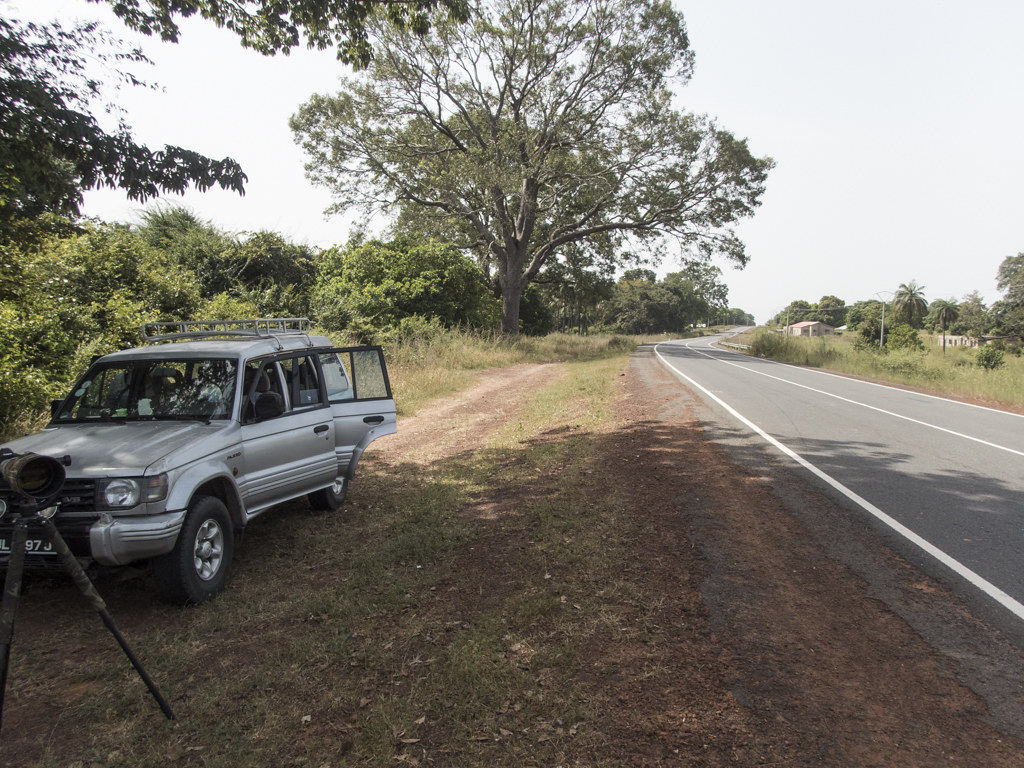 As you can see the main highway is a splendid tarmac'd road of excellent quality. We enjoyed a cold drink from the cool box before going in search of some target species. Just like last time they were there but the views were not nearly as good.
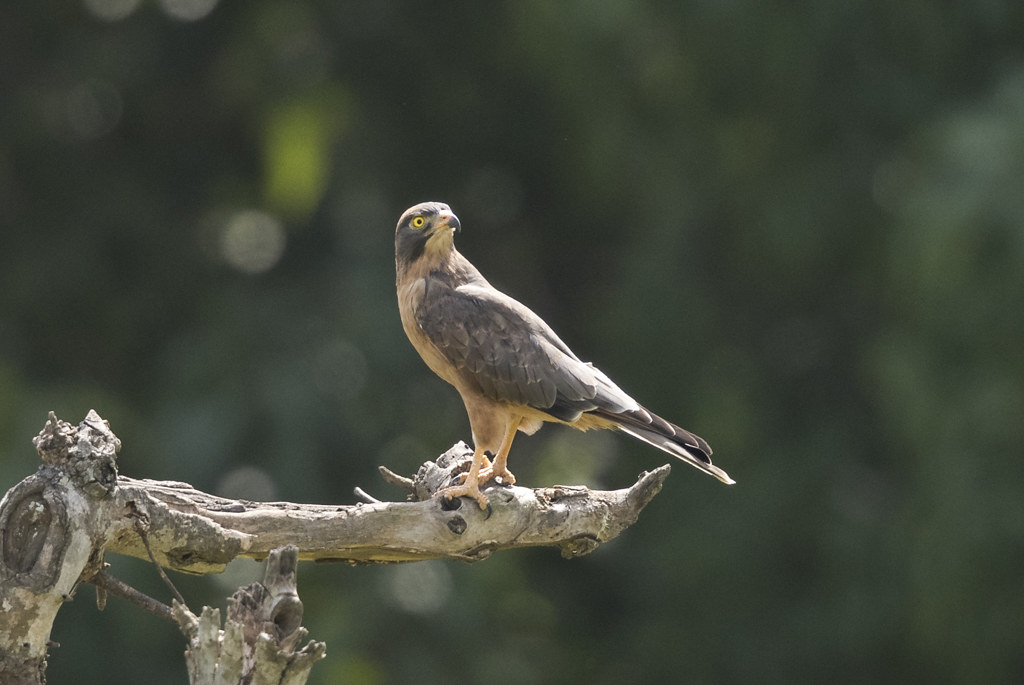
The Grasshopper Buzzard wasn't in the mood for allowing a close approach.
As you can see the main highway is a splendid tarmac'd road of excellent quality. We enjoyed a cold drink from the cool box before going in search of some target species. Just like last time they were there but the views were not nearly as good.
The Grasshopper Buzzard wasn't in the mood for allowing a close approach.
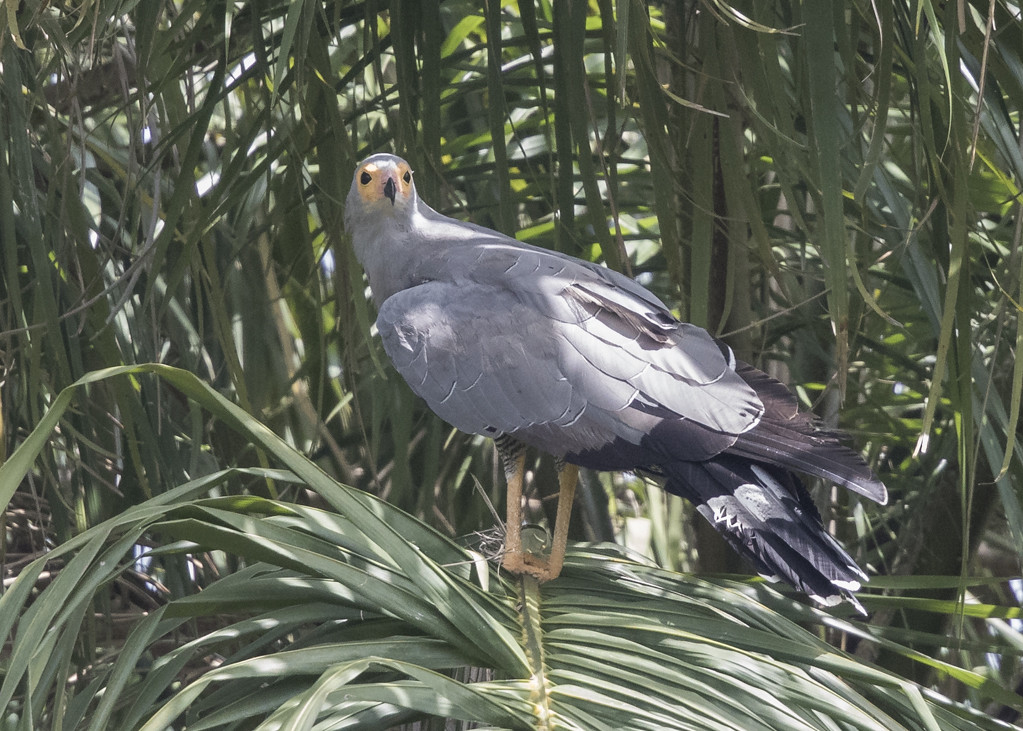
 An African Harrier Hawk took refuge in a tall palm tree not too far away.
 Another Levaillant's Cuckoo was seen but too difficult to photograph, all a bit of a disappointment really.
My friend Alan has acquired a few new toys since we travelled last, a Canon 7D2 and 100-400mm lens. His need for some opportunities was probably greater than mine on subjects we had previously seen, he has certainly embraced his new photographic hobby with enthusiasm!
Besides deciding to choose early November to try and see the Egyptian Plovers further up river, it's also the time to try and catch a photograph of the Bishops still in breeding plumage. They were playing hard to get whenever we stopped by the roadside but eventually I got lucky.
Another Levaillant's Cuckoo was seen but too difficult to photograph, all a bit of a disappointment really.
My friend Alan has acquired a few new toys since we travelled last, a Canon 7D2 and 100-400mm lens. His need for some opportunities was probably greater than mine on subjects we had previously seen, he has certainly embraced his new photographic hobby with enthusiasm!
Besides deciding to choose early November to try and see the Egyptian Plovers further up river, it's also the time to try and catch a photograph of the Bishops still in breeding plumage. They were playing hard to get whenever we stopped by the roadside but eventually I got lucky.
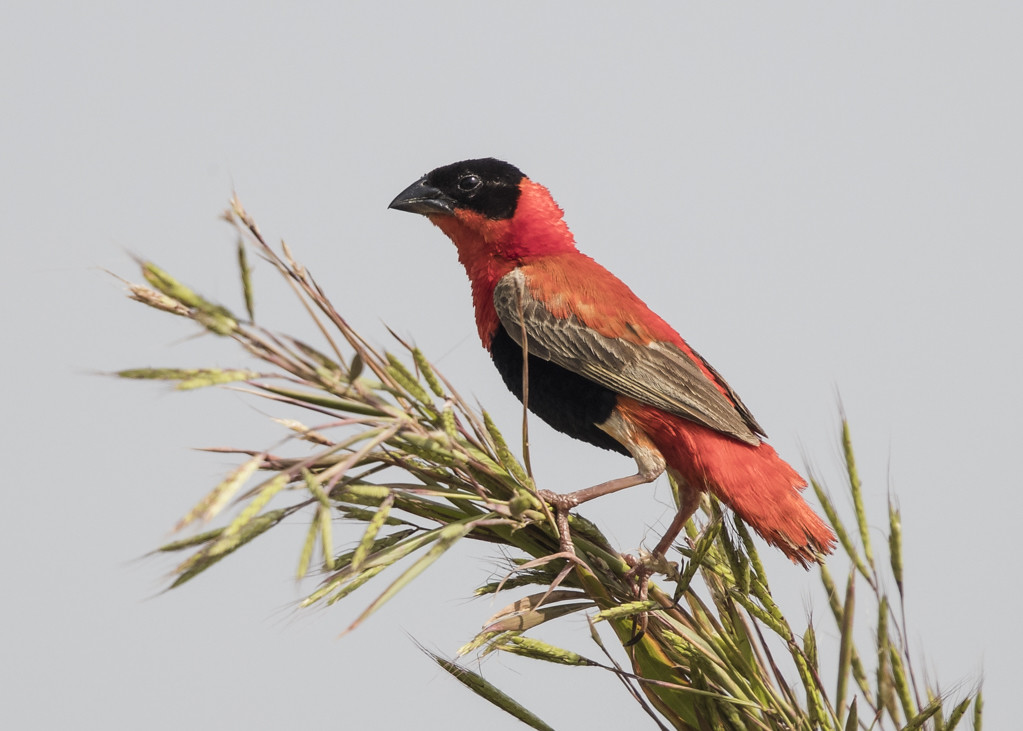 By early afternoon we had arrived at Tendaba Camp, a journey of around 140 kms. We had had a rather disappointing journey from a photographic point of view but had managed to add a few sightings to our tick list. I don't normally bother too much with counting species but when I'm with someone who does I enjoy the challenge of beating a target. On our last visit we had managed a total of 250 species we had both seen, at the moment we were way behind.
Those who have been to Tendaba Camp will recognise the warnings on the approach road.
By early afternoon we had arrived at Tendaba Camp, a journey of around 140 kms. We had had a rather disappointing journey from a photographic point of view but had managed to add a few sightings to our tick list. I don't normally bother too much with counting species but when I'm with someone who does I enjoy the challenge of beating a target. On our last visit we had managed a total of 250 species we had both seen, at the moment we were way behind.
Those who have been to Tendaba Camp will recognise the warnings on the approach road.
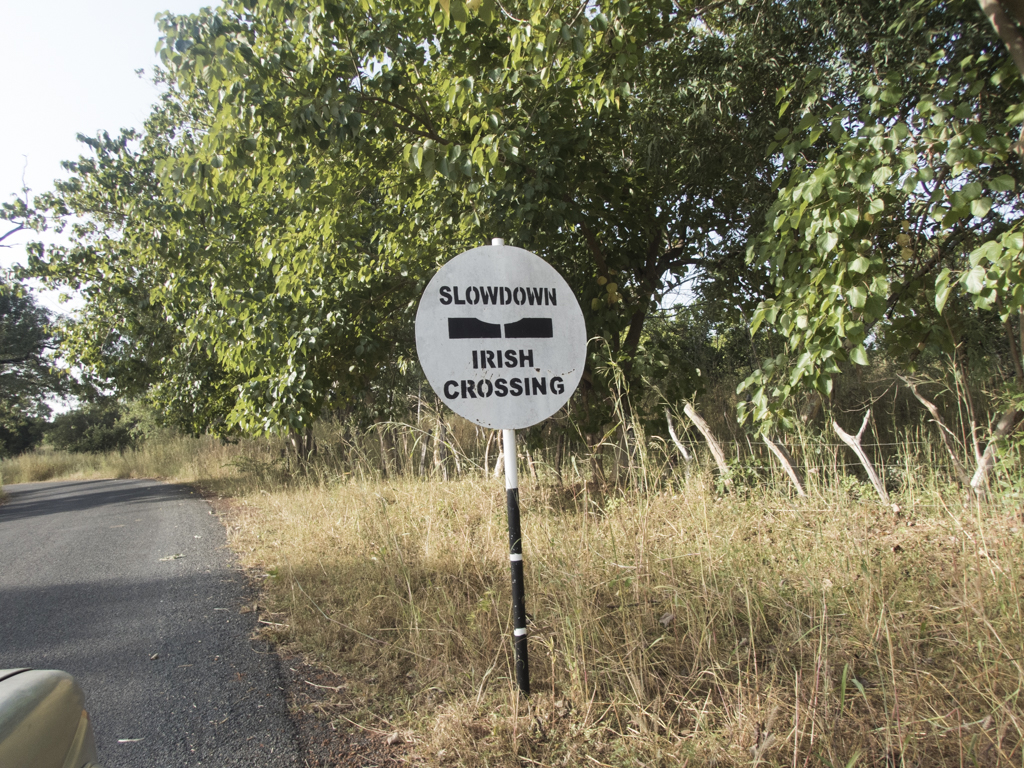 It's the only place in the world I have seen them and that includes Ireland. They are deep dips in the road that serve as flood drainage I think. You can guess as to why they are so called, I have my own ideas no longer politically correct.
Entering Tendaba you are greeted by the signage that you are welcome to The Gambia's premier safari camp. Currently it's undergoing major building work and was unrecognisable on the river front where attempts are being made build river defences, reclaim the river mud banks and create a beach area in the process.
It's the only place in the world I have seen them and that includes Ireland. They are deep dips in the road that serve as flood drainage I think. You can guess as to why they are so called, I have my own ideas no longer politically correct.
Entering Tendaba you are greeted by the signage that you are welcome to The Gambia's premier safari camp. Currently it's undergoing major building work and was unrecognisable on the river front where attempts are being made build river defences, reclaim the river mud banks and create a beach area in the process.
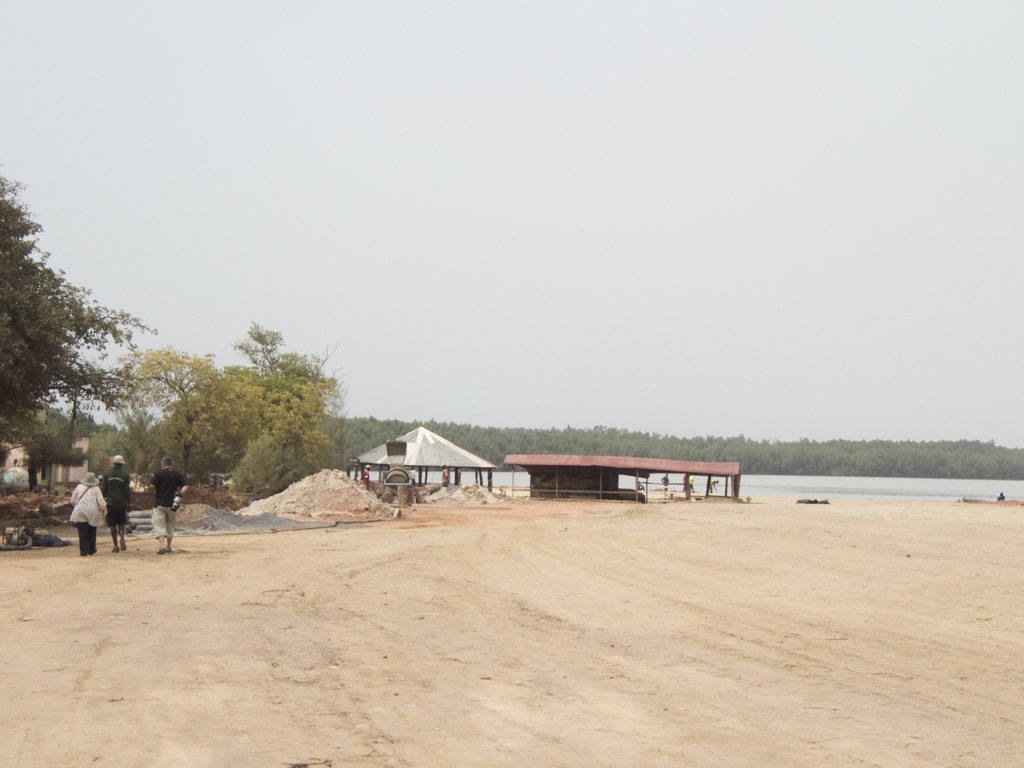 The old landing stage and some buildings such as the bar have gone.
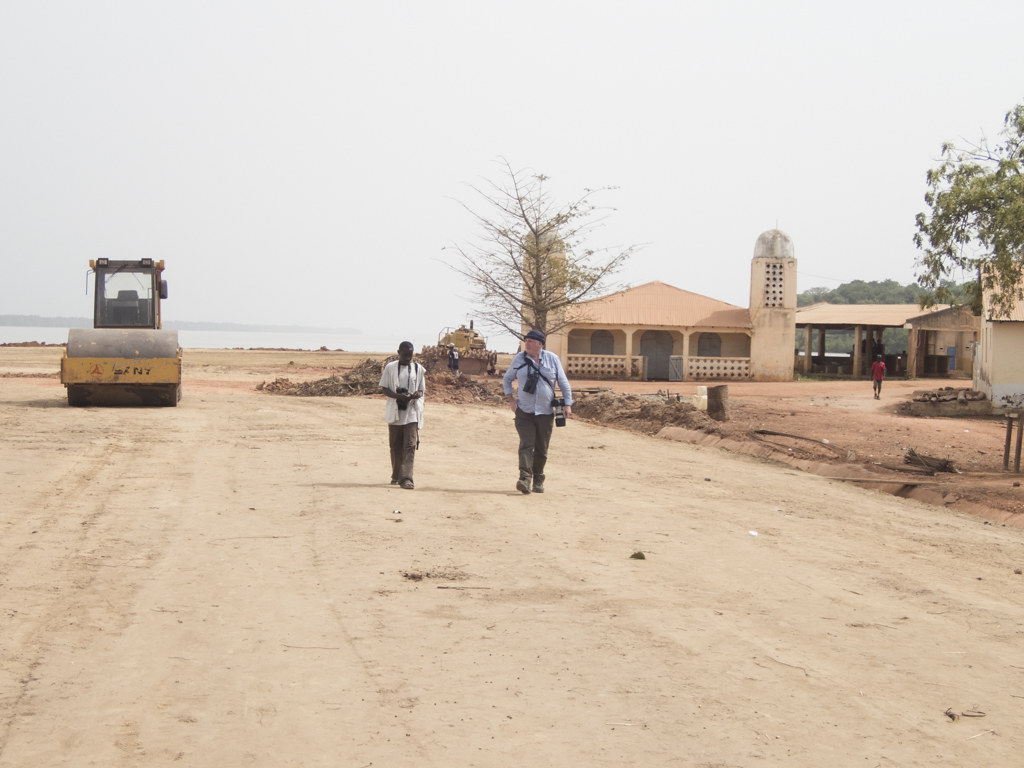 The place at the moment is pretty charmless to be honest.
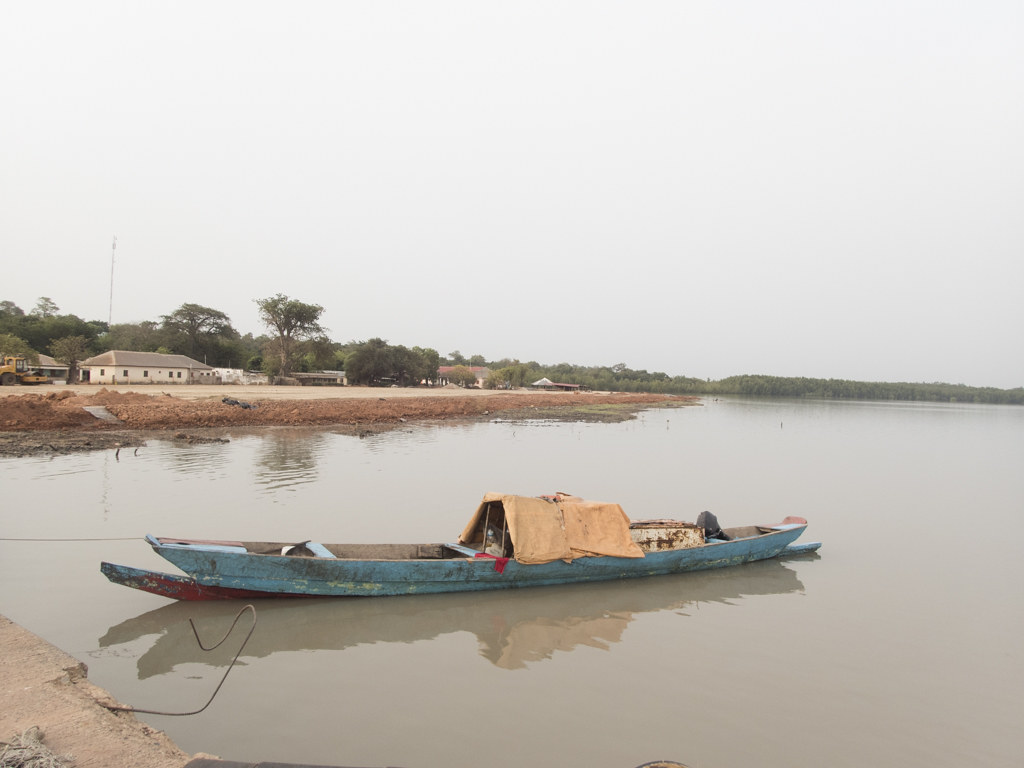 Hopefully when everything is finished it will be a different story but somehow I doubt it.
These accommodation blocks have been here years now and are still in an unfinished state, in fact they are getting slowly worse.
Hopefully when everything is finished it will be a different story but somehow I doubt it.
These accommodation blocks have been here years now and are still in an unfinished state, in fact they are getting slowly worse.
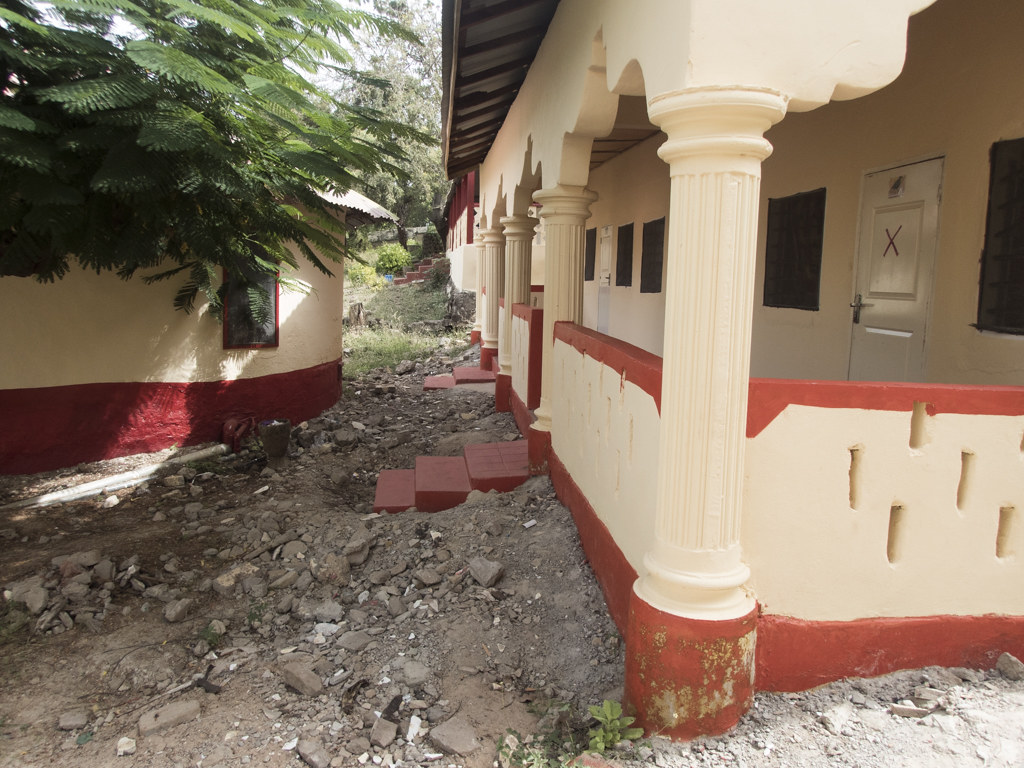 Whilst they are currently building extra accommodation maybe they should think about renovating the existing buildings first. They are basic to say the least.
My bed!
Whilst they are currently building extra accommodation maybe they should think about renovating the existing buildings first. They are basic to say the least.
My bed!
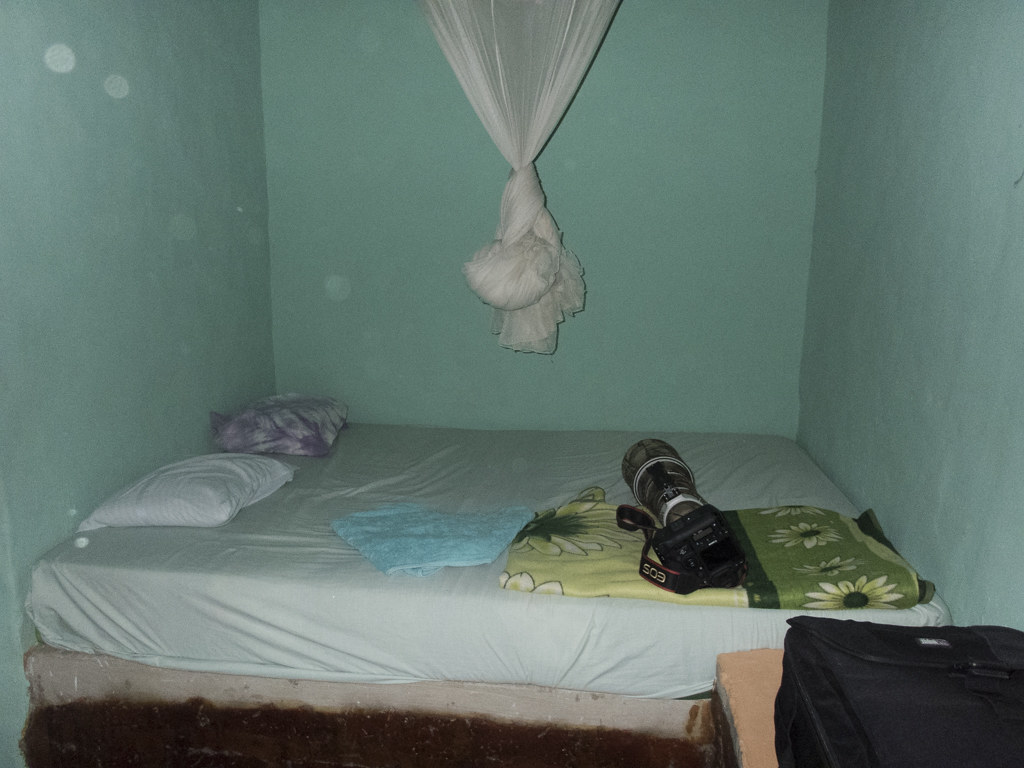 I had no working lights on arrival but that was at least fixed in the bedroom area before it went dark. En suite facilities remained in darkness which maybe isn't a bad thing, and it was so hot a cold shower wasn't too much to put up with either. However, the fan in the next room to mine making a racket all night due to worn bearings was a real annoyance.
The communal dining area has had a major renovation to floor and roof but the food was worse than I remember but the most heinous crime was warm beer!
We had two nights of this with a further one on the way back too!
Ah well, the pursuit of speciality species doesn't always come easily!
The good news was that they have built a photographic hide nearby and my guide was anxious to take a look. As the heat died down we took a walk to investigate it. Advertised as 450m away it's probably twice that distance, passing through the local school grounds on the way.
At last a half decent photo opportunity when I spotted a grey Hornbill fly down on to the football pitch.
I had no working lights on arrival but that was at least fixed in the bedroom area before it went dark. En suite facilities remained in darkness which maybe isn't a bad thing, and it was so hot a cold shower wasn't too much to put up with either. However, the fan in the next room to mine making a racket all night due to worn bearings was a real annoyance.
The communal dining area has had a major renovation to floor and roof but the food was worse than I remember but the most heinous crime was warm beer!
We had two nights of this with a further one on the way back too!
Ah well, the pursuit of speciality species doesn't always come easily!
The good news was that they have built a photographic hide nearby and my guide was anxious to take a look. As the heat died down we took a walk to investigate it. Advertised as 450m away it's probably twice that distance, passing through the local school grounds on the way.
At last a half decent photo opportunity when I spotted a grey Hornbill fly down on to the football pitch.
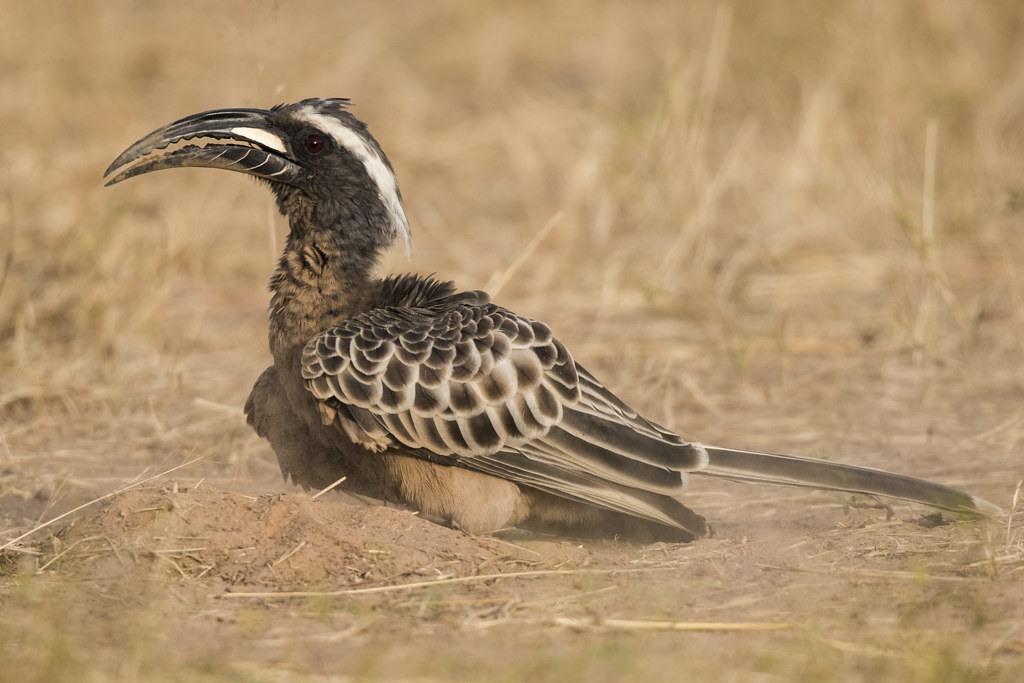 It was having bath!
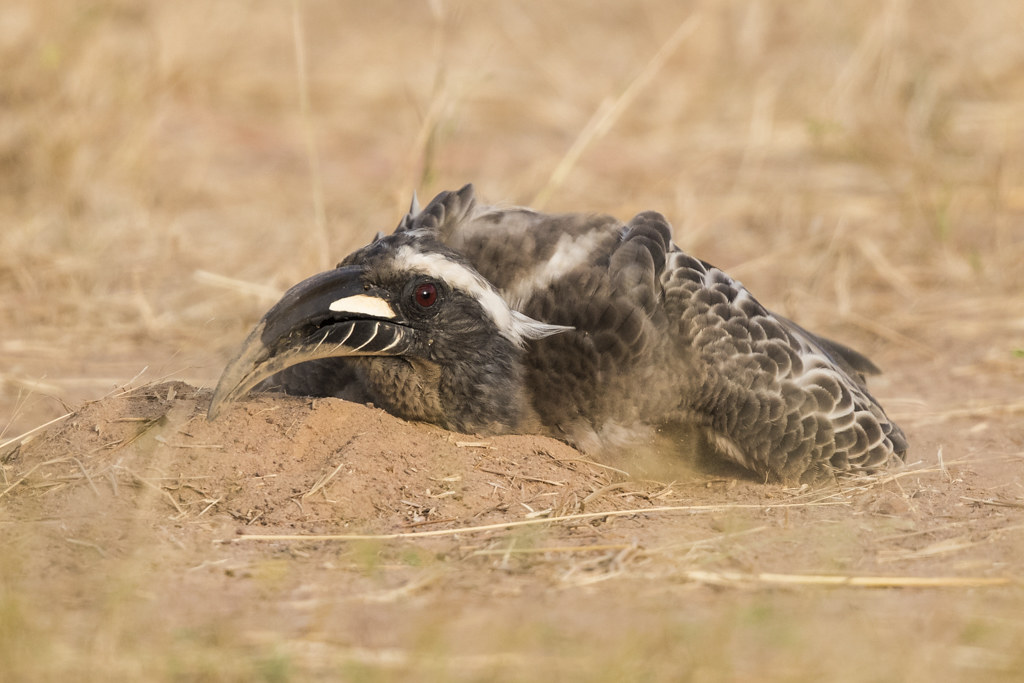 Unfortunately, a dust bath doesn't leave you looking at your best!
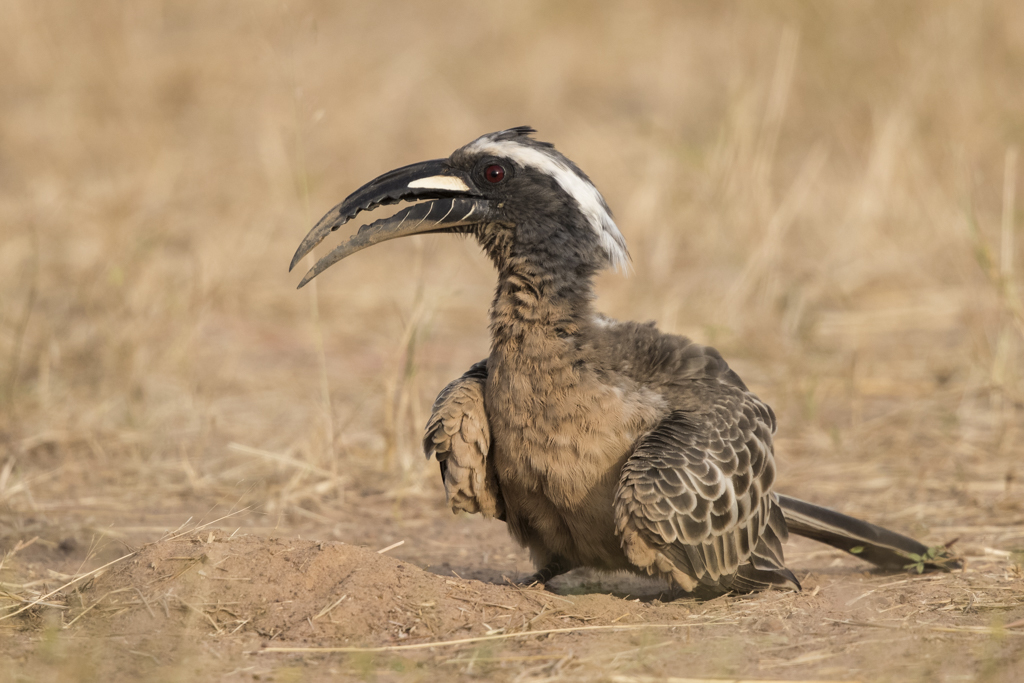 Still, it was a nice little session, my first sense of achievement all day.
This was quickly followed by a sighting of a Bearded Barbet, a species I wanted a decent shot of.
Still, it was a nice little session, my first sense of achievement all day.
This was quickly followed by a sighting of a Bearded Barbet, a species I wanted a decent shot of.
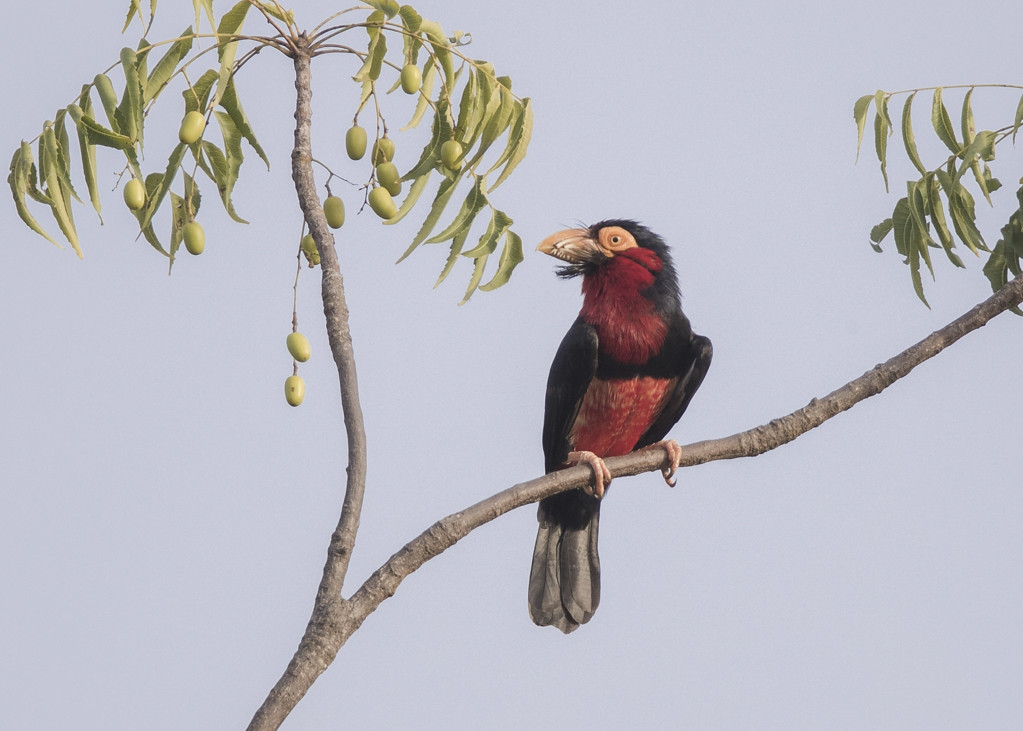 Our guide told us we would getting better views for sure, it's a common bird.We never did as it happens!
We walked on to the hide. No room for tripod use but a handy window sill and a bench seat was more than adequate. A round concrete drinking pool has been built to attract the birds but anyone with any photographic experience would soon point out that it's facing directly in to the sun for most of the day. The pool itself was a mess of bits of branch and stones dropped in the last of the evaporating water. Pretty dire really.
The good news was that there were a lot of birds visiting. This place had potential, that's for sure.
Black-rumped Waxbill.
Our guide told us we would getting better views for sure, it's a common bird.We never did as it happens!
We walked on to the hide. No room for tripod use but a handy window sill and a bench seat was more than adequate. A round concrete drinking pool has been built to attract the birds but anyone with any photographic experience would soon point out that it's facing directly in to the sun for most of the day. The pool itself was a mess of bits of branch and stones dropped in the last of the evaporating water. Pretty dire really.
The good news was that there were a lot of birds visiting. This place had potential, that's for sure.
Black-rumped Waxbill.
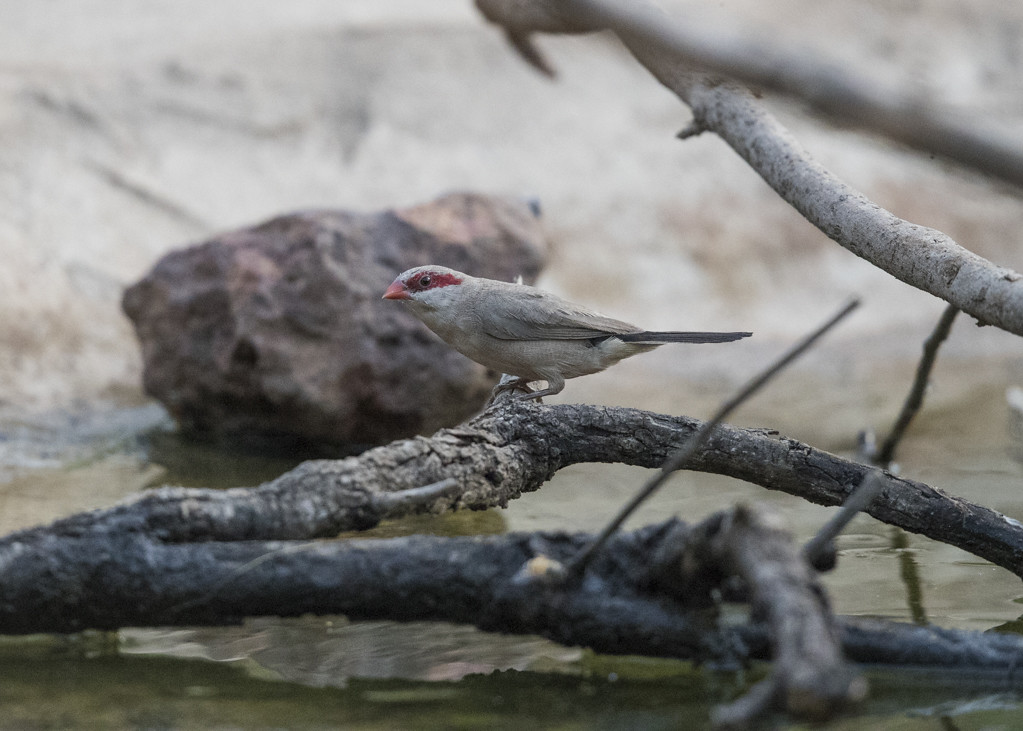 Just needed a bit of a clean up.
Grey-headed Sparrow.
Just needed a bit of a clean up.
Grey-headed Sparrow.
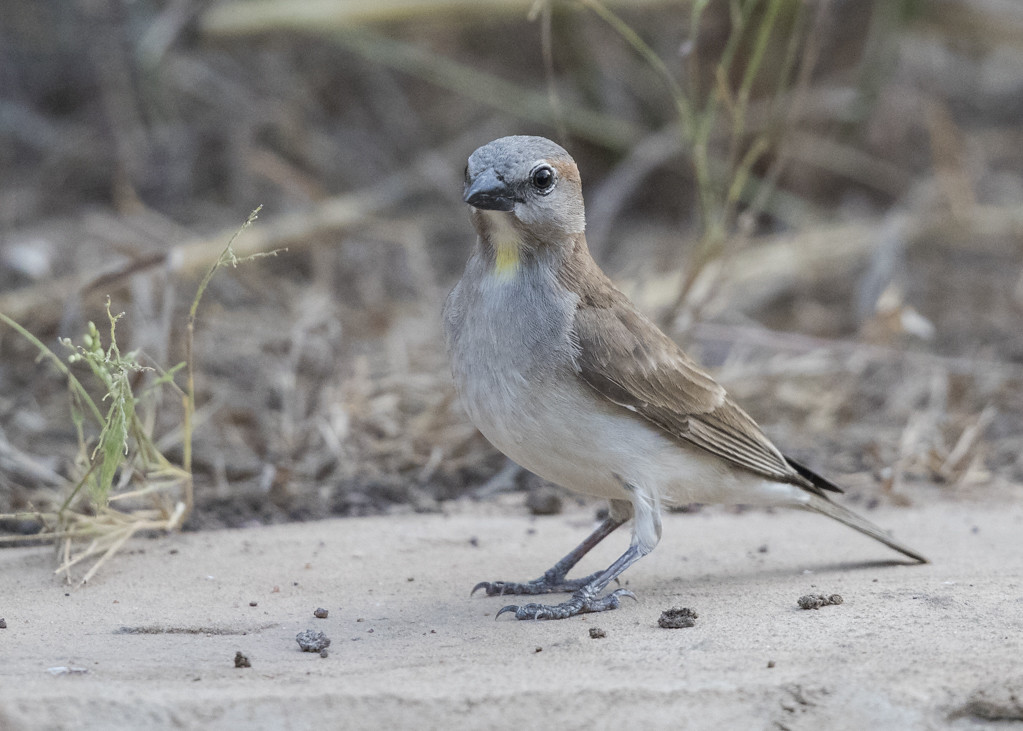 I would come back and see what I could sort out besides having the birds on the concrete perimeter of the pond.
Black-billed Wood Dove.
I would come back and see what I could sort out besides having the birds on the concrete perimeter of the pond.
Black-billed Wood Dove.
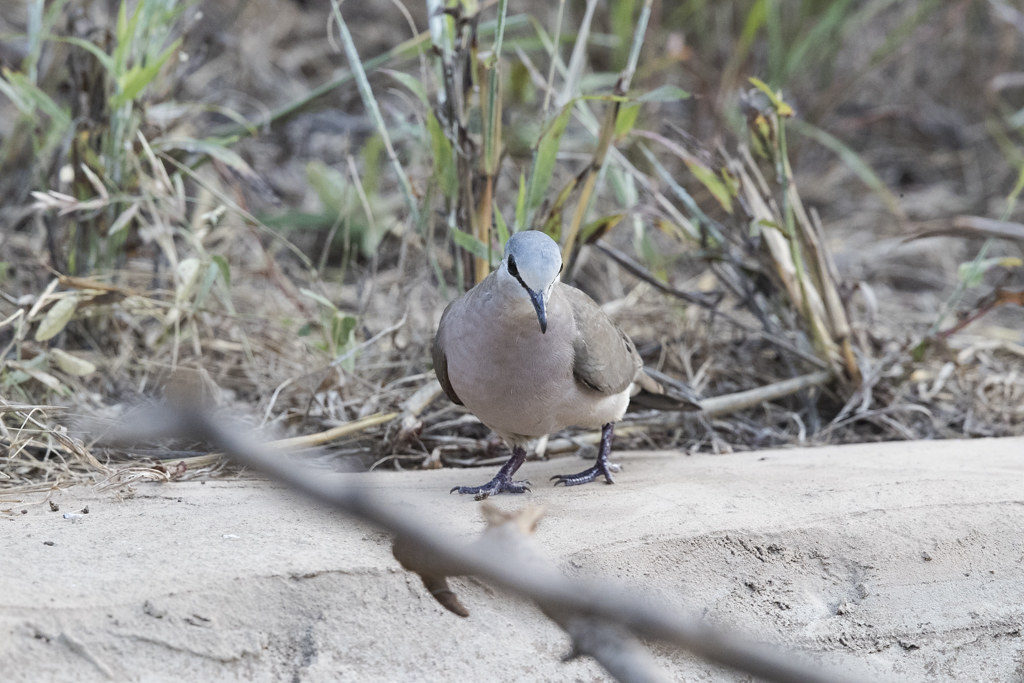 All that rubbish in the middle would have to go too, it was getting in the way.
I just hoped that this little beauty would make a return visit then. The Red-winged Pytillia was a lifer for me, Alan too. Best bird of the day as far as I was concerned.
All that rubbish in the middle would have to go too, it was getting in the way.
I just hoped that this little beauty would make a return visit then. The Red-winged Pytillia was a lifer for me, Alan too. Best bird of the day as far as I was concerned.
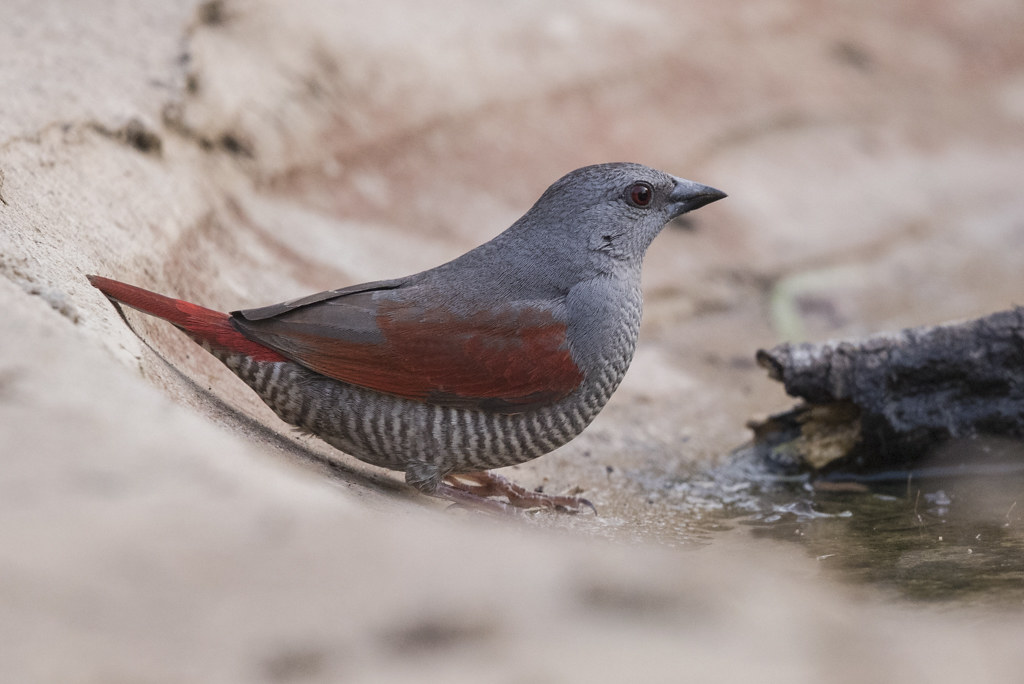 With the light fading it was time to retreat to camp.
Never mind the conditions in camp, we had our first boat trip to look forward to in the morning!
TBC.
With the light fading it was time to retreat to camp.
Never mind the conditions in camp, we had our first boat trip to look forward to in the morning!
TBC.
I was up early that first morning and decided I would have a quick stroll down to the beach and to see what had been reported as the change in the mouth of the river due to erosion by the sea. I had always chosen the Sunset Beach hotel which overlooks this area in the past. For reasons of cost and the need for a change to add some variety I had chosen differently this time. It seems it might be a good choice as the mouth of the river was virtually free of birds. No gulls, terns, Reef Egrets, Kingfishers.... nothing at all! This wasn't looking too good. The river now had taken a different course altogether from our last stay and the dynamic was different. The pools as the tide retreated no longer existed, instead the water flowed too fast to make fishing by the birds too difficult at that spot.
I returned to the hotel and following breakfast by the pool we headed off via the rear entrance of the hotel down through the mangroves, across the mud and on to the golf course.
Having spent many weeks on holidays in this area I know most places like the back of my hand.
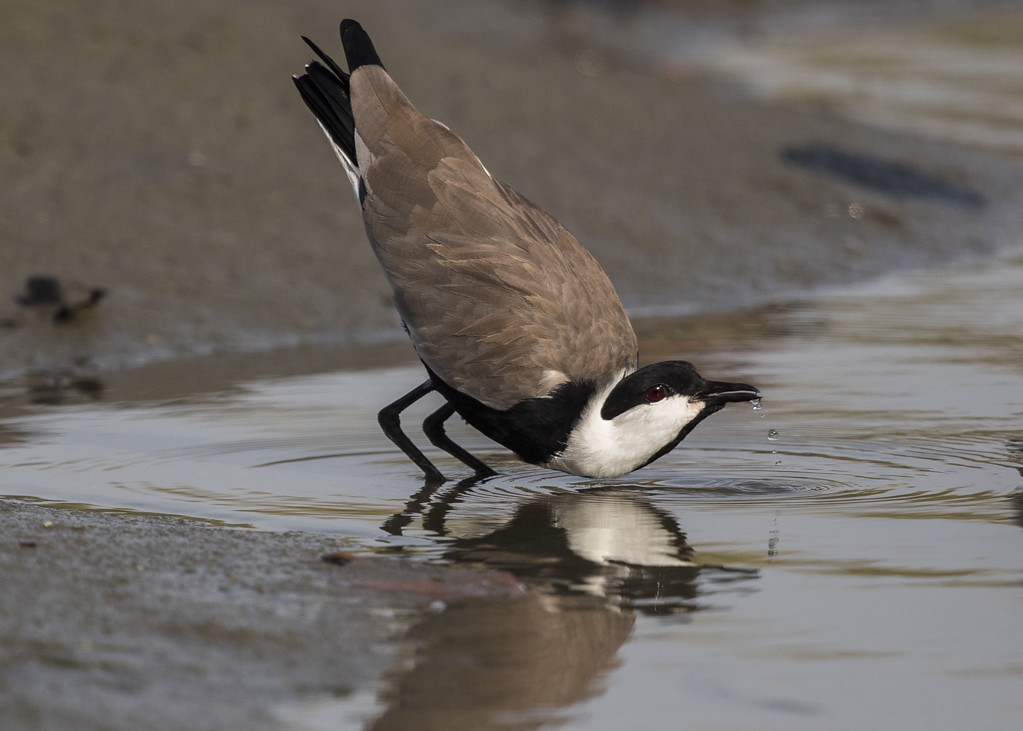
The mud flats held a few birds, mainly Spur-winged Plovers. Most walked away from us but this one didn't.
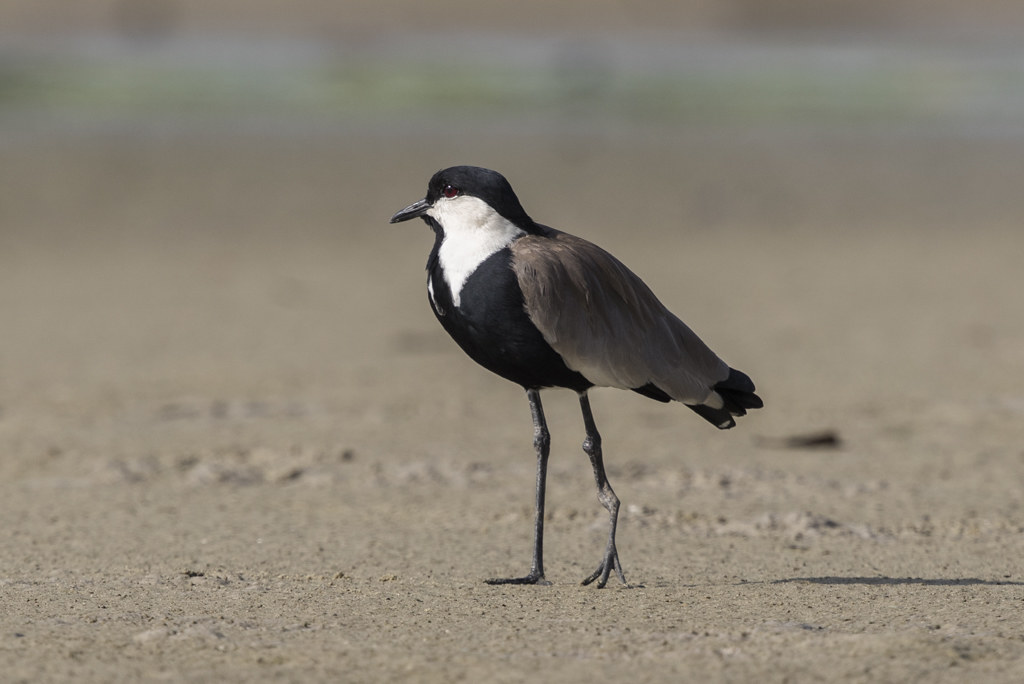 It's only now I can see why!
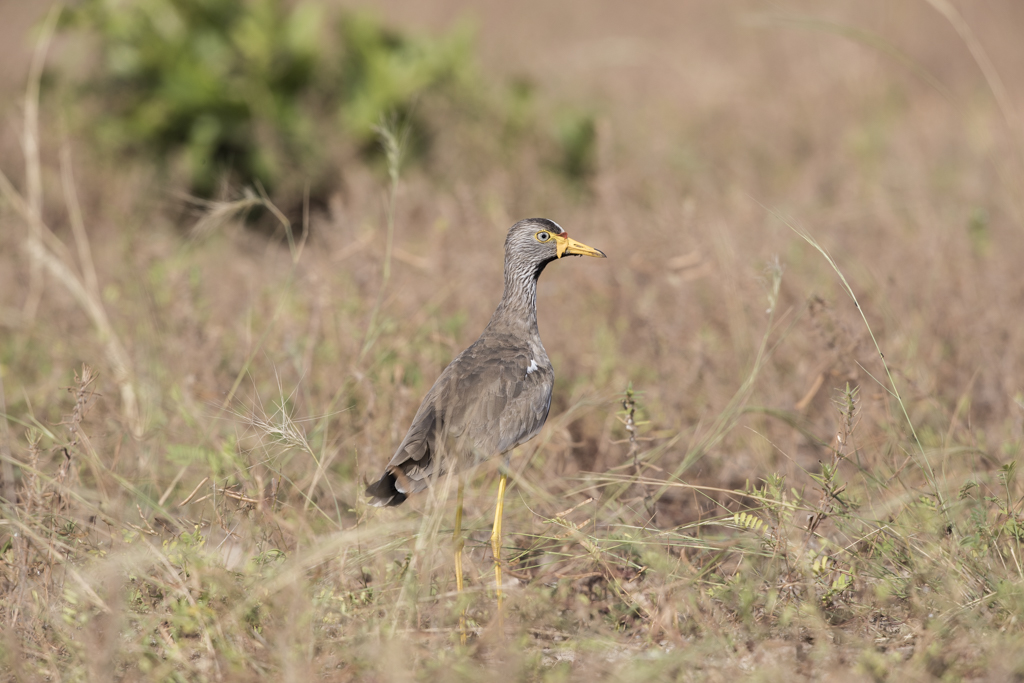
We headed up to a bushy area near one of the tees, a spot where previously I have seen lots of species. Our only discovery a pair of Wattled Lapwing hiding in the rough.
It's only now I can see why!
We headed up to a bushy area near one of the tees, a spot where previously I have seen lots of species. Our only discovery a pair of Wattled Lapwing hiding in the rough.
 As we approached the Clubhouse area a local approached us introducing himself as the Club President. He was enjoying a mug of tea and we spent a few minutes talking golf. As he knew the course well he offered to show us a tree that held a roosting Owl. We thankfully accepted. As we walked along the fairway he also told us that his favourite bird on the course was the Shining Blue Kingfisher. That rang alarm bells as the liklyhood of finding one in this location was extremely slim but that said, on out last trip an equally unlikely juvenile Finfoot was seen in the creek. Both birds were on our target list for way up river.
The tree drew a blank, so did several more. He suggested we try the Kingfisher. His apparent lack of any bird identification skills and the aimless walking around the reed beds confirmed he was basically a chancer. We were wasting time and we thanked him for his efforts. He demanded money, we refused as we had received nothing in exchange. We were back in The Gambia, it is a way of life for some. Was he the President of the club. In hindsight he didn't behave like one.
We crossed over the river which was now at low tide and stopped off at the Bird Guide Associations soft drink bar and garden. All the official guides are members and have identification as such. They have to serve time as an apprentice before being granted membership. I haven't a clue how many there are but it's very easy to find one, especially down at the bridge in Kotu were many tout for business from passing tourists.
Here in the garden there was just one. We ordered a couple of ice cold Cokes at a very reasonable 70 dalasai , the guide offered to show us an Owl in a nearby tree. Having fallen for that one we were somewhat reluctant so I offered him the 30 dalasai change just to tell us which tree. He told us he'd take us. There was no Owl but as it was about 20 yards walk from where we were sitting he had been well rewarded!
We left him behind, declining his offer of a walking tour to show us around and instead headed up to the nearby sewerage ponds.
If you are in to bird watching sewage ponds are a well known attraction. If you are not you must think we are nuts hanging around such places. Sewage of course holds potential hazards for humans but the birds thrive in such insect producing conditions.
The four very large ponds looked completely different to the past though. They were full of water and nothing else, well nothing obvious and that included birds. Gone were the lilly pads and other vegetation. There had been a massive clean up! A local approached us and demanded 50 dalasai entrance fee. I told him I wasn't paying unless I got a receipt. I hadn't a clue who he was, potentially another chancer. He returned with the new site boss who I think is Eastern European and a gang of heavies! I explained I wasn't handing money over not knowing who to and the boss agreed with me. I should have and got a receipt on payment. Seems that it's a new company running things now and they had seen the opportunity for extra revenue. I don't think it will continue unless the birding improves though!
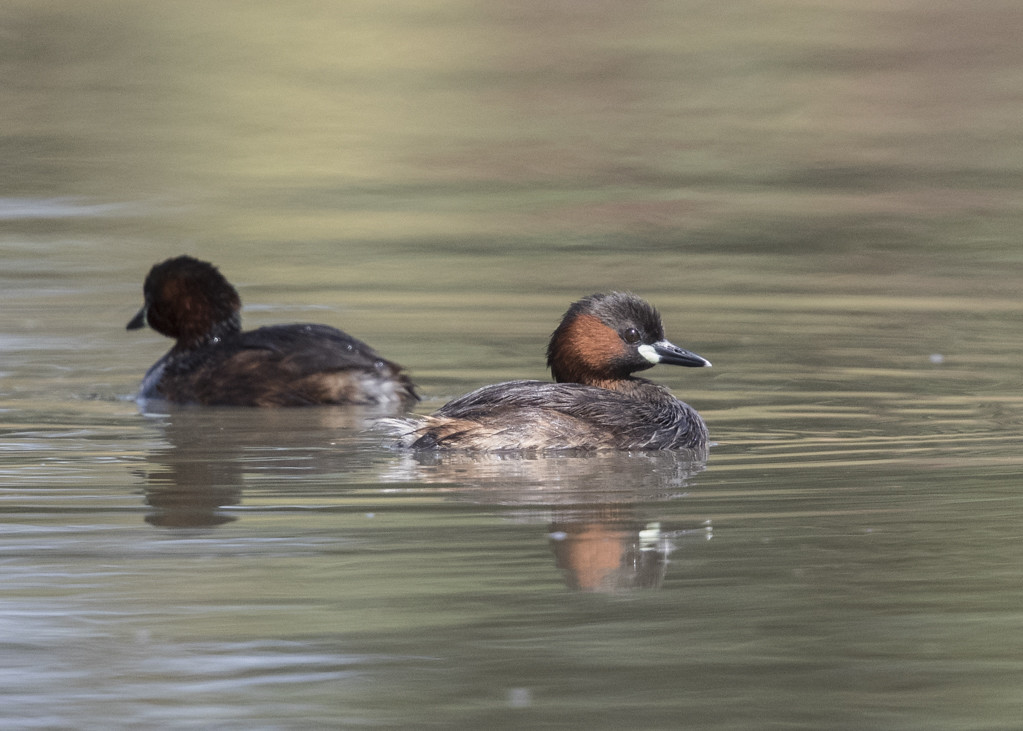
My only photo efforts were of a couple of Little Grebes who were happy to swim under the surface of the water!
As we approached the Clubhouse area a local approached us introducing himself as the Club President. He was enjoying a mug of tea and we spent a few minutes talking golf. As he knew the course well he offered to show us a tree that held a roosting Owl. We thankfully accepted. As we walked along the fairway he also told us that his favourite bird on the course was the Shining Blue Kingfisher. That rang alarm bells as the liklyhood of finding one in this location was extremely slim but that said, on out last trip an equally unlikely juvenile Finfoot was seen in the creek. Both birds were on our target list for way up river.
The tree drew a blank, so did several more. He suggested we try the Kingfisher. His apparent lack of any bird identification skills and the aimless walking around the reed beds confirmed he was basically a chancer. We were wasting time and we thanked him for his efforts. He demanded money, we refused as we had received nothing in exchange. We were back in The Gambia, it is a way of life for some. Was he the President of the club. In hindsight he didn't behave like one.
We crossed over the river which was now at low tide and stopped off at the Bird Guide Associations soft drink bar and garden. All the official guides are members and have identification as such. They have to serve time as an apprentice before being granted membership. I haven't a clue how many there are but it's very easy to find one, especially down at the bridge in Kotu were many tout for business from passing tourists.
Here in the garden there was just one. We ordered a couple of ice cold Cokes at a very reasonable 70 dalasai , the guide offered to show us an Owl in a nearby tree. Having fallen for that one we were somewhat reluctant so I offered him the 30 dalasai change just to tell us which tree. He told us he'd take us. There was no Owl but as it was about 20 yards walk from where we were sitting he had been well rewarded!
We left him behind, declining his offer of a walking tour to show us around and instead headed up to the nearby sewerage ponds.
If you are in to bird watching sewage ponds are a well known attraction. If you are not you must think we are nuts hanging around such places. Sewage of course holds potential hazards for humans but the birds thrive in such insect producing conditions.
The four very large ponds looked completely different to the past though. They were full of water and nothing else, well nothing obvious and that included birds. Gone were the lilly pads and other vegetation. There had been a massive clean up! A local approached us and demanded 50 dalasai entrance fee. I told him I wasn't paying unless I got a receipt. I hadn't a clue who he was, potentially another chancer. He returned with the new site boss who I think is Eastern European and a gang of heavies! I explained I wasn't handing money over not knowing who to and the boss agreed with me. I should have and got a receipt on payment. Seems that it's a new company running things now and they had seen the opportunity for extra revenue. I don't think it will continue unless the birding improves though!
My only photo efforts were of a couple of Little Grebes who were happy to swim under the surface of the water!
 We didn't hang around long and moved on towards the beach in search of the Painted Snipe hide.
That was another huge disappointment. The hide that was only recently built on my last visit 20 months ago had already fallen in to disrepair. Whether the Snipe are still there I don't know as I decided not to hang around to find out as Alan hadn't fancied the walk through the thick slimy mud and I didn't want to leave him waiting too long.
We decided it was now pretty hot and time for a little liquid refreshment at the nearby Kunta Kinte beach bar. There has been a lot of building development around here, perhaps the Snipe have found a new territory.
Moving on we reached the mouth of the river by the Palm Beach hotel and at last had some decent views of a few species.
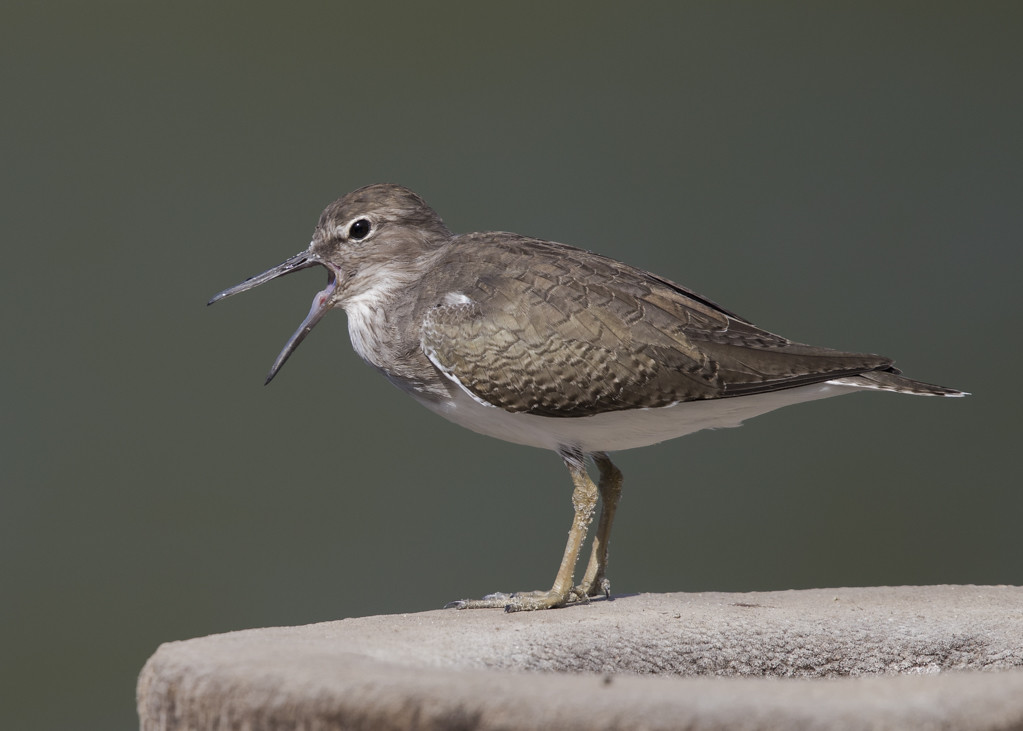
A calling Common Sandpiper
We didn't hang around long and moved on towards the beach in search of the Painted Snipe hide.
That was another huge disappointment. The hide that was only recently built on my last visit 20 months ago had already fallen in to disrepair. Whether the Snipe are still there I don't know as I decided not to hang around to find out as Alan hadn't fancied the walk through the thick slimy mud and I didn't want to leave him waiting too long.
We decided it was now pretty hot and time for a little liquid refreshment at the nearby Kunta Kinte beach bar. There has been a lot of building development around here, perhaps the Snipe have found a new territory.
Moving on we reached the mouth of the river by the Palm Beach hotel and at last had some decent views of a few species.
A calling Common Sandpiper
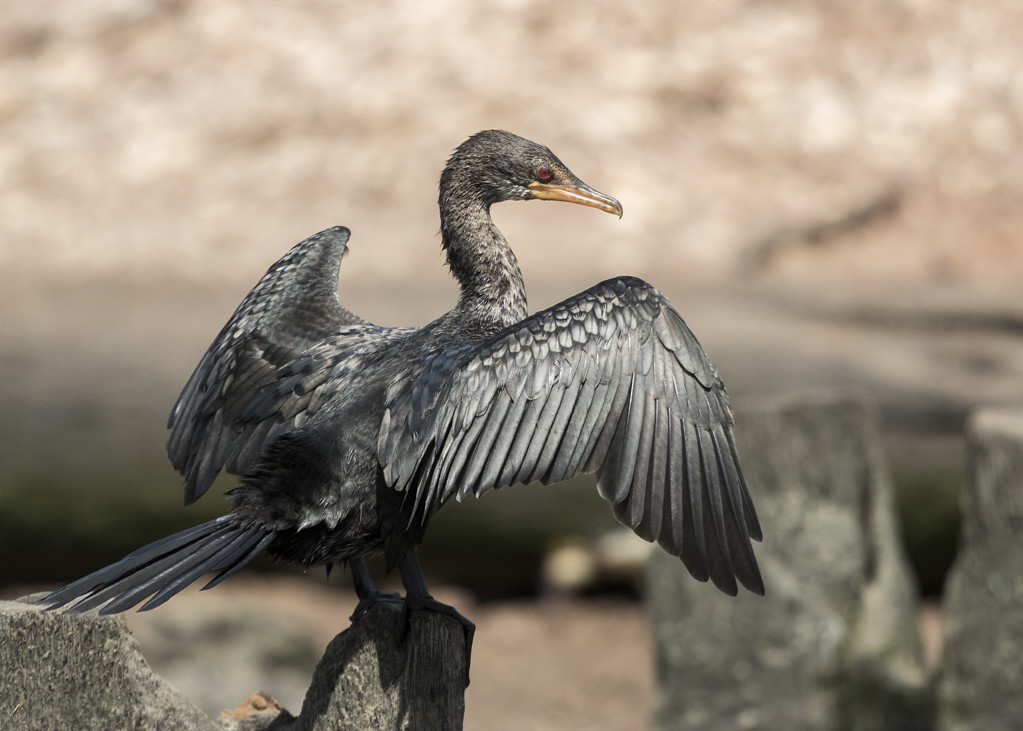
 A basking Long-tailed Cormorant
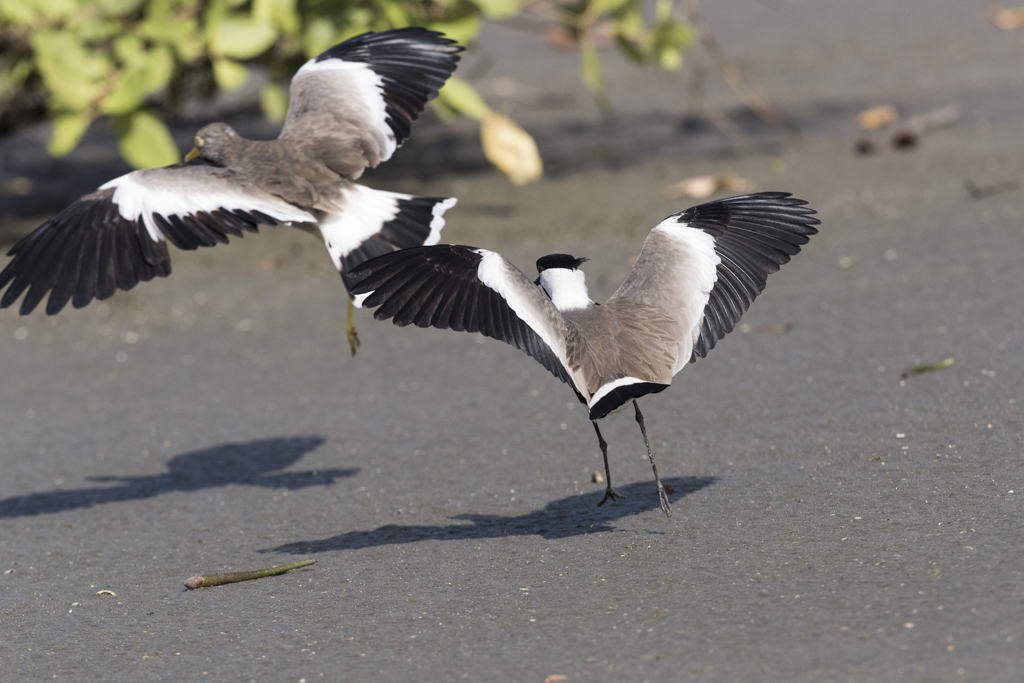
 Quite a few Spur-winged Plovers
 Which seemed to try to chase off the Wattled Lapwings
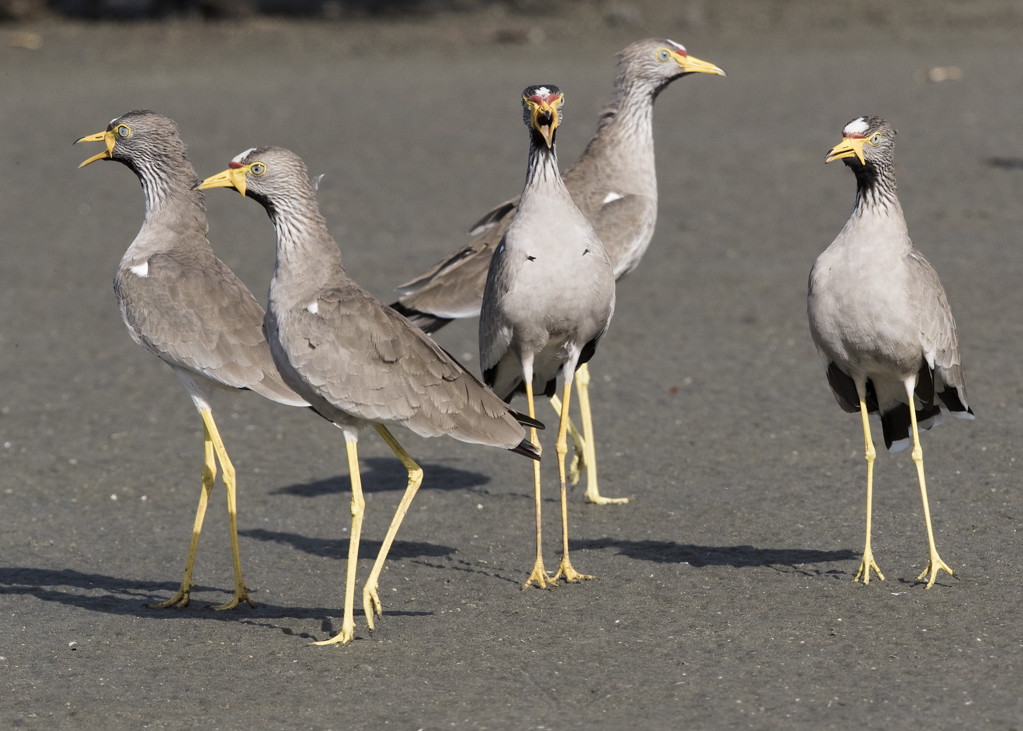
 The agitated Lapwings gathered in a defensive group.
 A single Grey-headed Gull arrived at the scene.
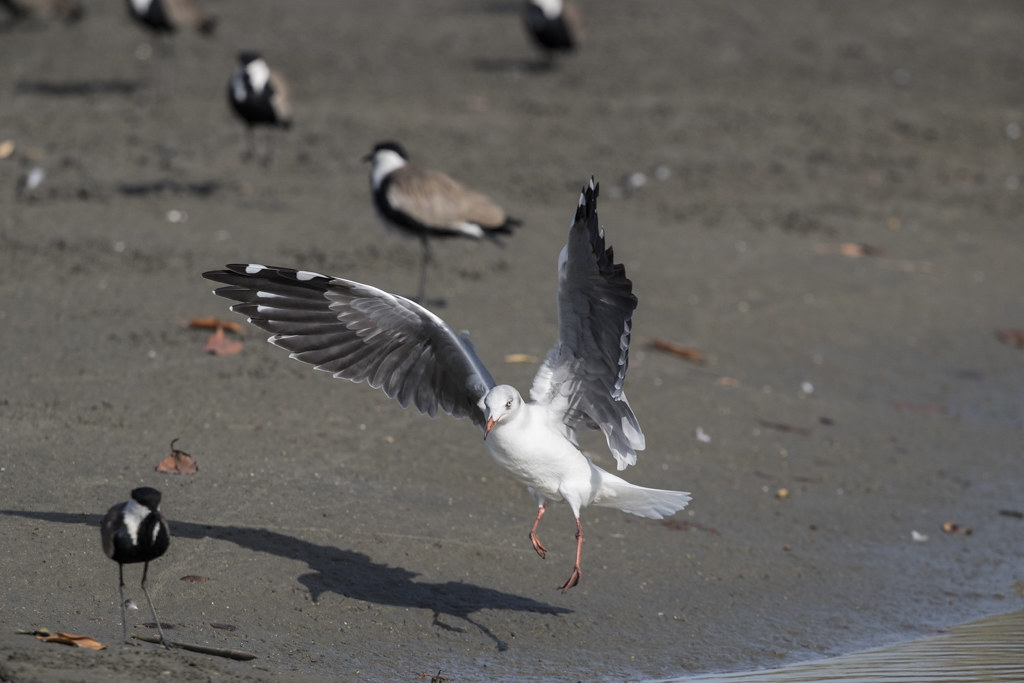 I had at least found some subject matter !
Moving on to the bridge we wondered if there was news of our guide for the next 5 days. He had said he'd meet us there but earlier there had been no sign of him. It appeared he had had to take his baby daughter to hospital and the attempts to reach him by phone by a colleague had failed to bring further news.
Typically the other guides, aware of the situation, sensed an opportunity. Like vultures they made enquiries as to our intentions should our guide not materialise the next day.
It seems that this is a way of life and a few of them are more than willing to steal customers as soon as an opportunity presents itself. We had experienced this on our last visit.
We had of course paid a four figure sum upfront but we weren't unduly worried. We knew our guide of old and trusted him. Later in the evening we managed to contact him via Facebook and he assured us he would be set to go the following day.
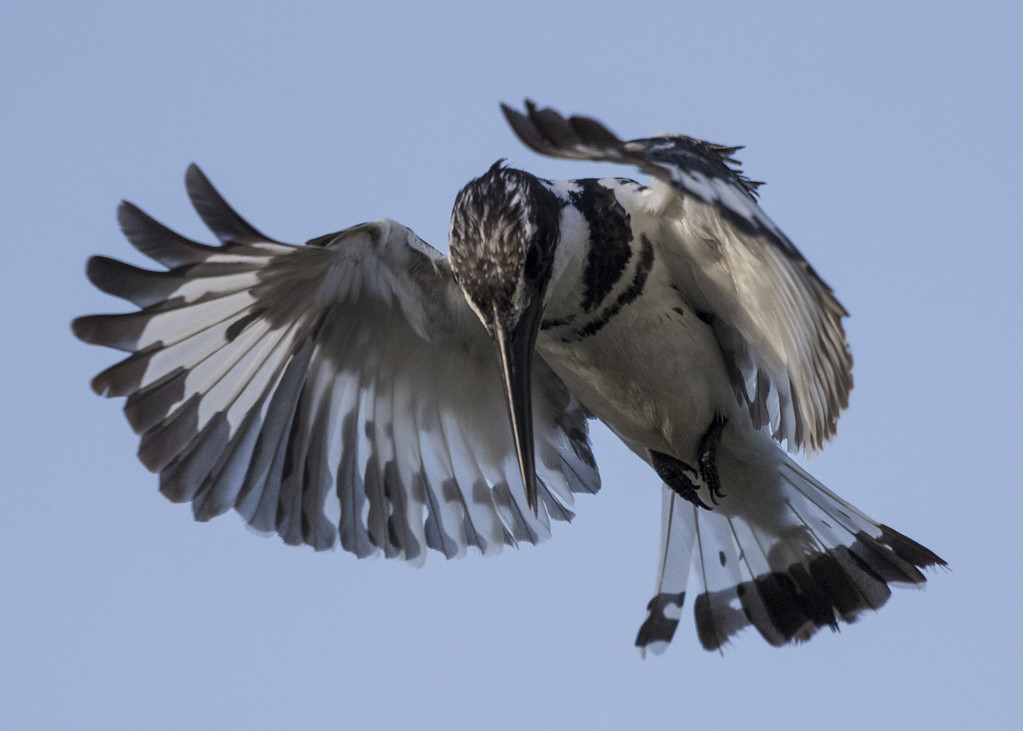
We hung around the bridge for the rest of the afternoon, enjoying views of the Pied Kingfishers
I had at least found some subject matter !
Moving on to the bridge we wondered if there was news of our guide for the next 5 days. He had said he'd meet us there but earlier there had been no sign of him. It appeared he had had to take his baby daughter to hospital and the attempts to reach him by phone by a colleague had failed to bring further news.
Typically the other guides, aware of the situation, sensed an opportunity. Like vultures they made enquiries as to our intentions should our guide not materialise the next day.
It seems that this is a way of life and a few of them are more than willing to steal customers as soon as an opportunity presents itself. We had experienced this on our last visit.
We had of course paid a four figure sum upfront but we weren't unduly worried. We knew our guide of old and trusted him. Later in the evening we managed to contact him via Facebook and he assured us he would be set to go the following day.
We hung around the bridge for the rest of the afternoon, enjoying views of the Pied Kingfishers
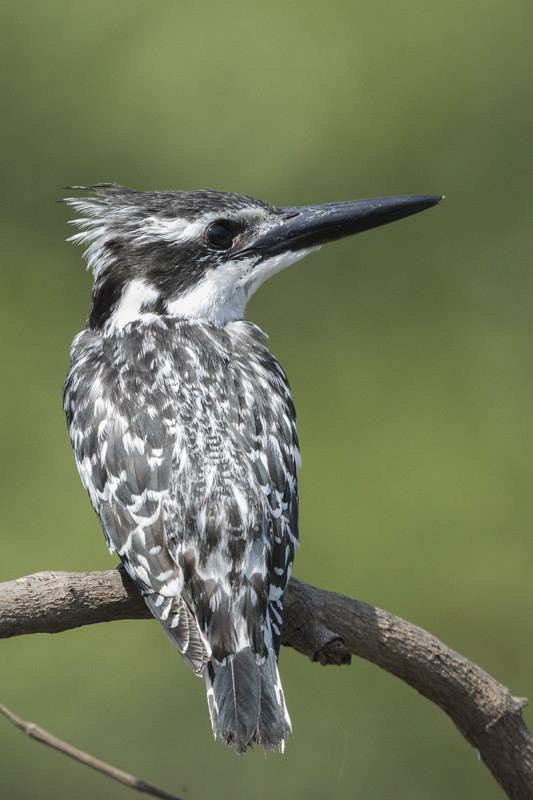 Hunting from the recently added perches...a good move by someone.
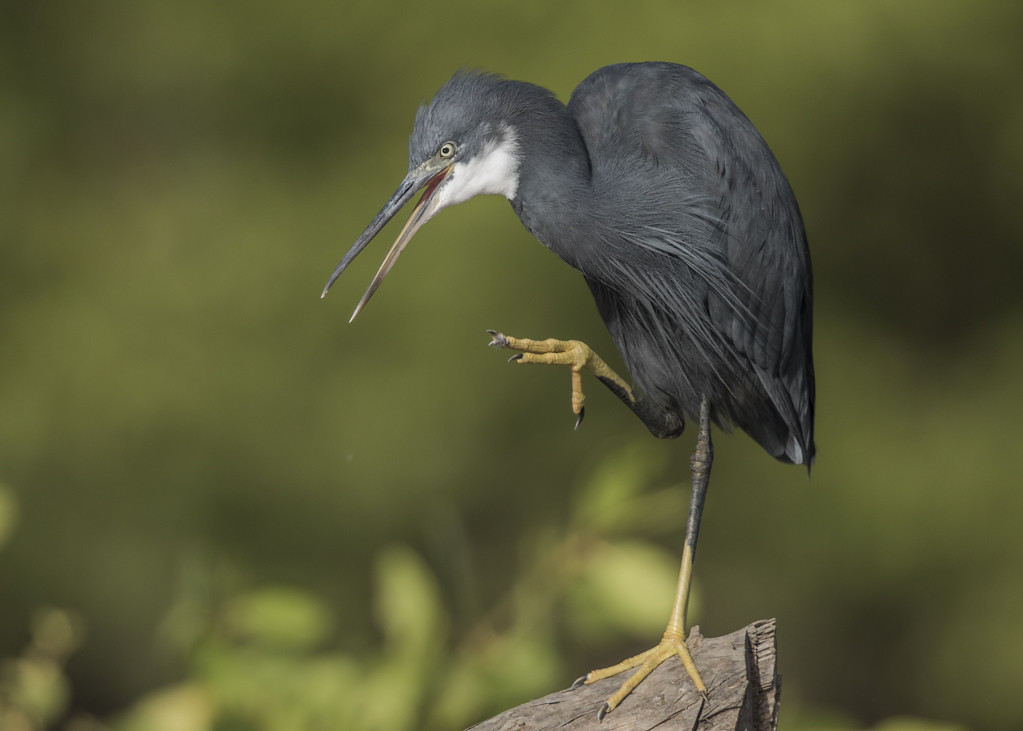
 Even the Reef Egret that used to spend time on the beach seemed to have adapted to the perches too!
 I guess if this was your first visit to the area you would still be impressed. Personally I looked forward to moving on up river to see if that would improve things.
A few beers, an excellent Indian meal and we were ready for an early bed before heading off in the morning.
TBC
I guess if this was your first visit to the area you would still be impressed. Personally I looked forward to moving on up river to see if that would improve things.
A few beers, an excellent Indian meal and we were ready for an early bed before heading off in the morning.
TBC
This trip to The Gambia seemed a long time coming. It was booked way back in March, more than seven months previously. A lot can happen in seven months, not least a Brexit vote which of course has played havoc with the valuation in the pound, but ironically also seen a drop in demand for travel to The Gambia.
Why did we book so early? Well my travel companion Alan also needed to fit in a pre Xmas trip to Goa, I needed to fit in a trip with my o/h Claire, and as we were booking through our Gambian guide, we needed to confirm availability of accommodation "up river" before someone grabbed them all!
This trip was all about going further inland than either of us had ventured before. The objective to see one or two bird species not found on the coast. We'd been as far as Tendaba on our last trip, this time we wanted to go as far as Janjanbureh, the former colonial capital previously known as Georgetown.
We knew we had to go early in the season, pre Xmas in fact, to see one of the specialities, the Egyptian Plover, so with that in mind we caught the second charter flight of the season out of Manchester airport on 6/11/2016.
Our plan was 2 nights on the coast, 5 nights inland, 3 nights on the coast and back home again.
I had considered getting Claire to fly out and join me for the the latter part and indeed extending my stay but that would have made life awkward for Alan getting back from the airport. I wasn't going to leave Claire on the coast alone and she certainly didn't want to travel up river as the accommodation is basic. It was easier to leave her at home !
Now that would be mean and selfish wouldn't it? Me enjoying some winter sun whilst she was suffering the cold and damp of a British winter !
Simple solution, I booked a separate package tour for the two of us back to The Gambia, 10 days after the first one ended!
And so to our first trip with just Alan and myself.
Our anticipation and expectations were high, we had after all been before and knew what to expect, well of the places we had already been anyway.
Up early at 4.30 am, I picked up Alan from his home on the Wirral and we were sat enjoying our first beer of the trip in Manchester airport at 7.00am on a Sunday morning. It's part of the tradition now, something that has to be done!
Our flight arrived 40 minutes early, a taxi to the pre booked hotel, the Bakotu , had us ready to catch the last hour of daylight for a quick appraisal of the local area around Kotu before meeting our guide for the forthcoming trip.
Our first impressions were that there weren't many birds around on the mud flats at Kotu Bridge! Very strange.
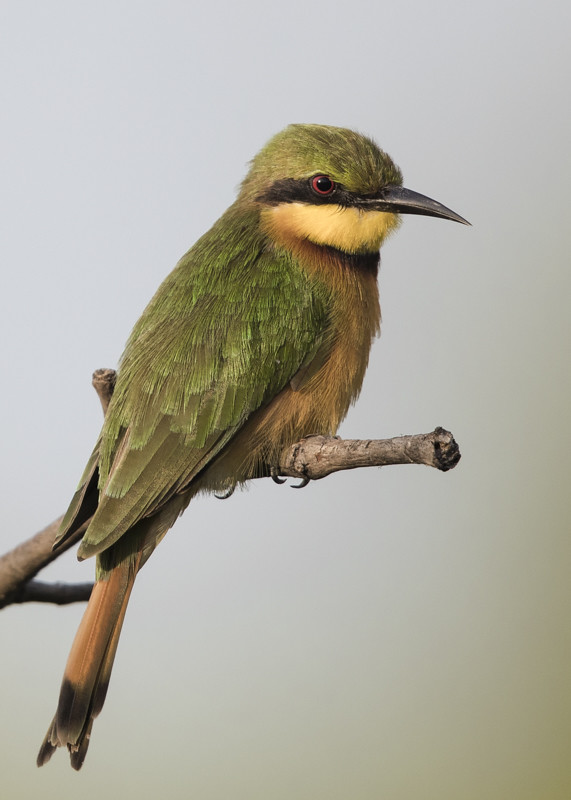
I grabbed a couple of shots of a Little Bee-eater and that was about it really.
We paid our guide the money for our trip upfront in £ notes and he went off to cash it before the exchange rate dropped any further. He had been given the option to quote in Dalasai way back when the exchange rates looked a bit dodgy but had opted not to in the hope that he would gain on a £ recovery. That was to be his loss, not ours but he had been given the chance to secure a fee in local prices.
On our last visit the exchange had been 70+ dalasi to the pound. It was currently standing at 52.
We ate in the hotel that first night and I noted that the prices of a meal seemed to have risen as a result. Oh well, such is life.
TBC
I'm lucky enough to get away on quite a few holidays each year so it's easy to overlook what has been happening locally, even to the extent of overlooking what you have had the pleasure of seeing.
This year has been no exception.
Way back in January regular visits to the resident Black Redstart on a nearby headland to both photograph and feed began to pay dividends with the bird becoming very confiding.
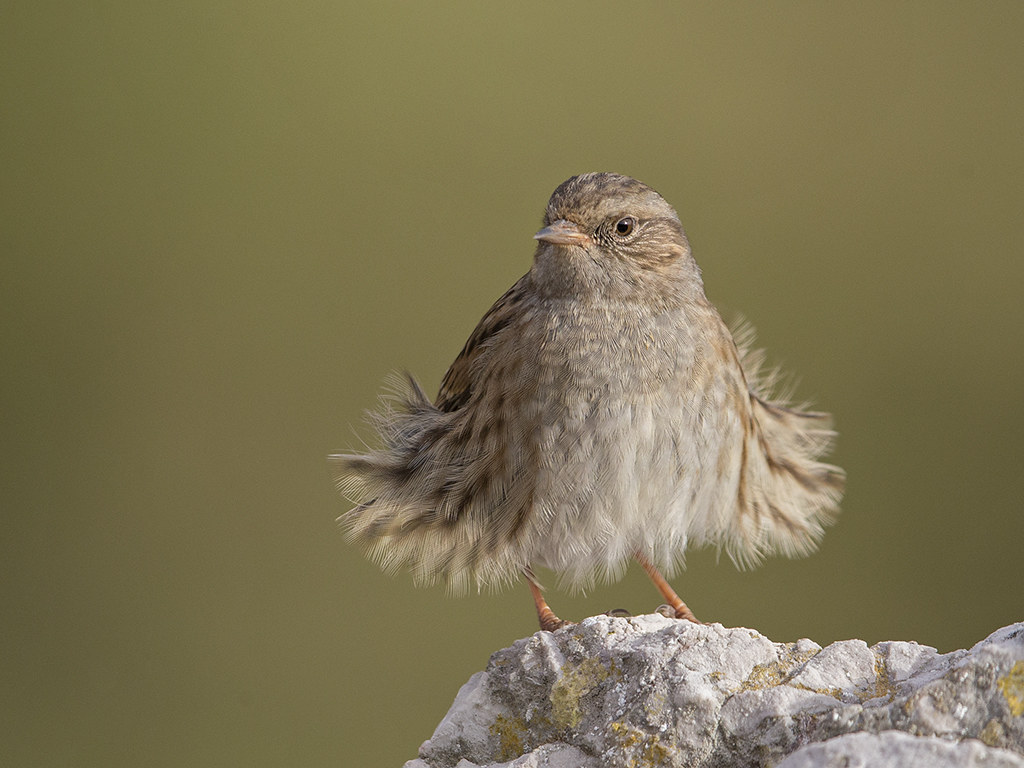
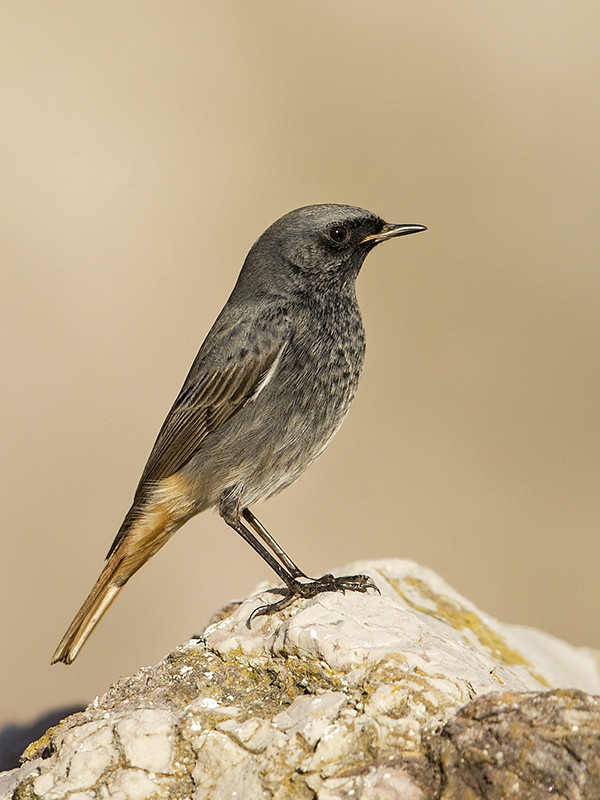 It wasn't the only bird that benefited though. It was regularly bullied by the resident Robin and a couple of Dunnock were quick to spot an opportunity for an easy meal too.
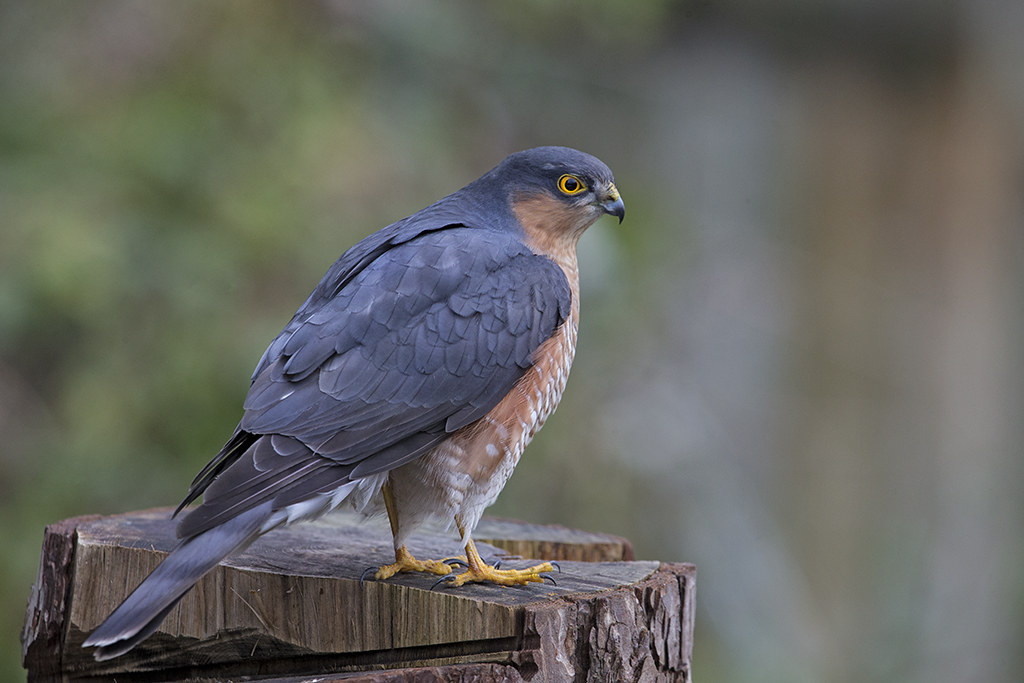
 I'm lucky enough to live in a woodland setting too so my bird feeders are pretty popular during the winter months and a pair of Sparrowhawks take advantage of the feeding.
 I'm not in to driving long distances for my birding preferring to put the money towards holidays instead. Wife Claire and I plan to take a break both before and after Christmas. This year we went to Cuba for most of February. The cold and damp of winter is a bit off putting but the need to get a "photo fix" had me venturing over to Anglesey, an island just along the coast from where I live.
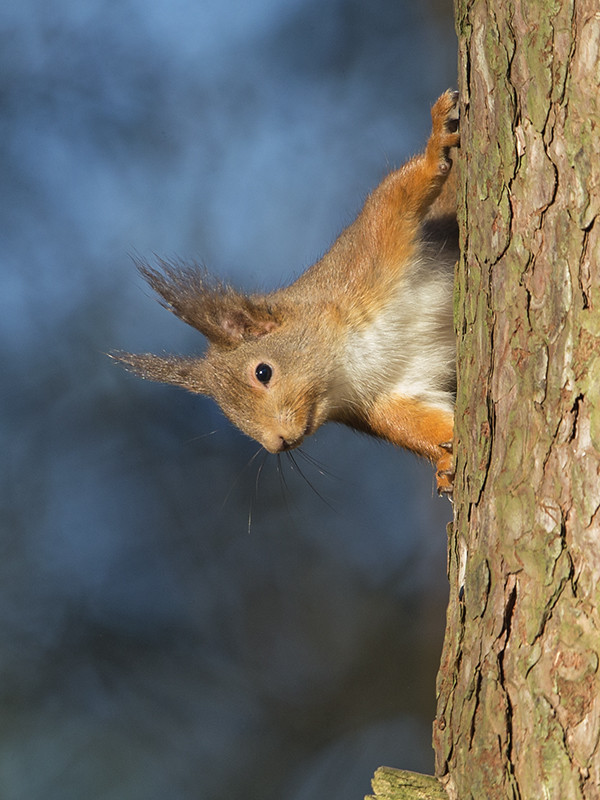
In recent years attempts have been made to eradicate the alien Grey Squirrels and encourage the spread of the native Red's.
It's worked incredibly well and now this is one of the best spots in the UK to see Red Squirrels.
I'm not in to driving long distances for my birding preferring to put the money towards holidays instead. Wife Claire and I plan to take a break both before and after Christmas. This year we went to Cuba for most of February. The cold and damp of winter is a bit off putting but the need to get a "photo fix" had me venturing over to Anglesey, an island just along the coast from where I live.
In recent years attempts have been made to eradicate the alien Grey Squirrels and encourage the spread of the native Red's.
It's worked incredibly well and now this is one of the best spots in the UK to see Red Squirrels.
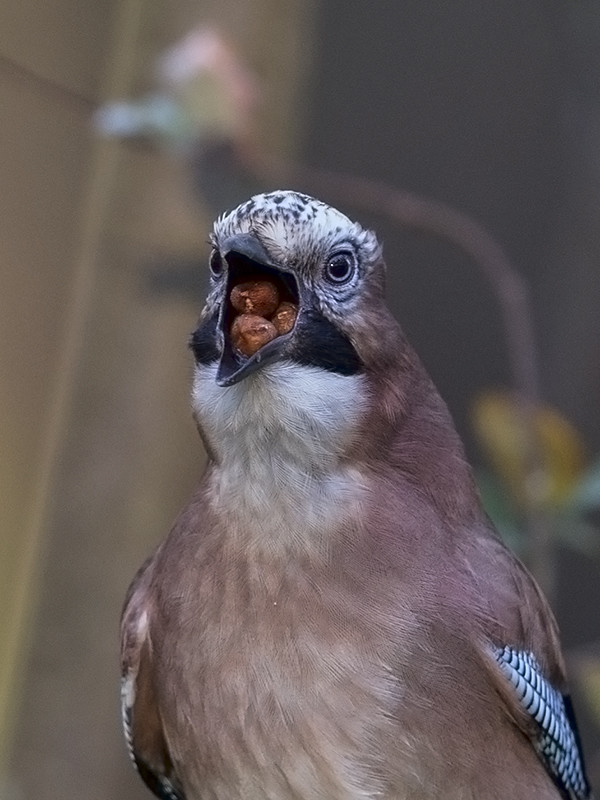
 Birds such as over wintering Jays benefit from the food put down for the squirrels too.
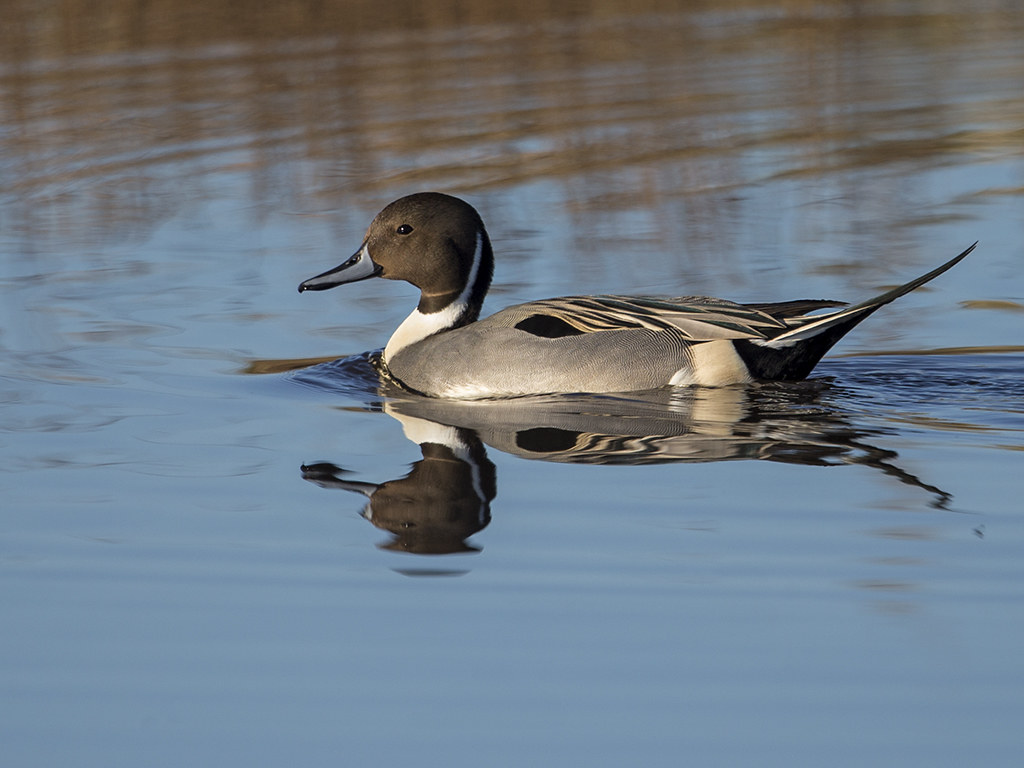
 And just along the road the Maltraeth marsh area holds over wintering Pintail ducks as well as the odd rarity.
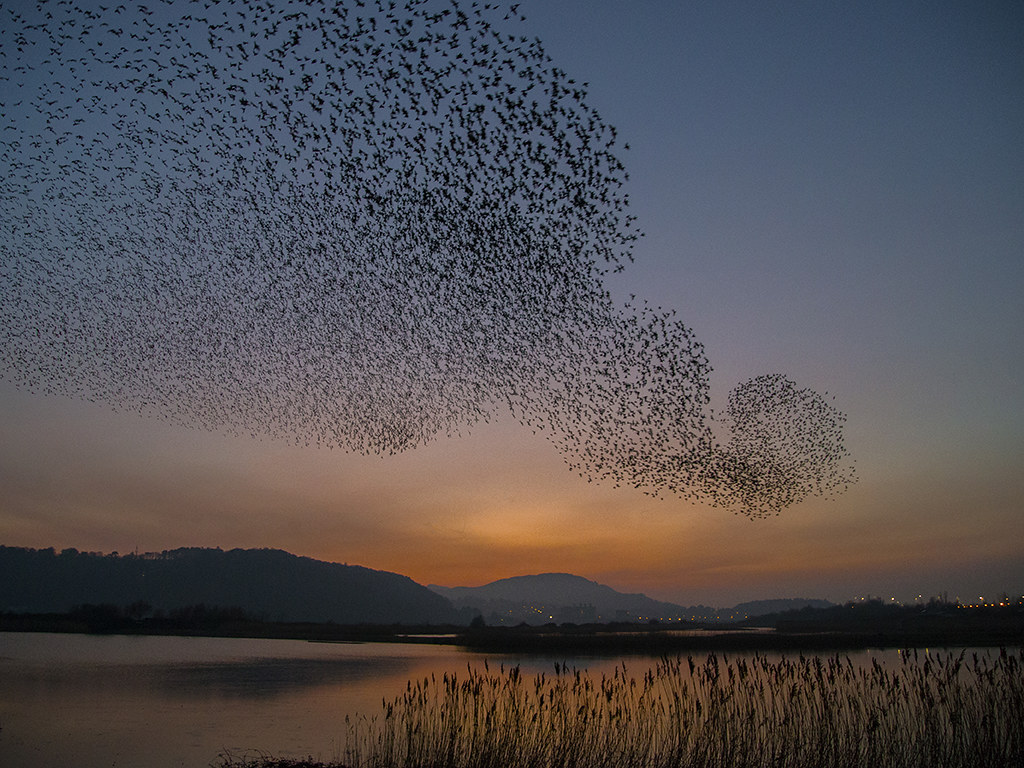
 One of the best spots in the UK for watching Starling murmurations is right on my doorstep at the local RSPB nature reserve. They put on an incredible show as they gather in stunning formations before dropping down to roost in the redheads.
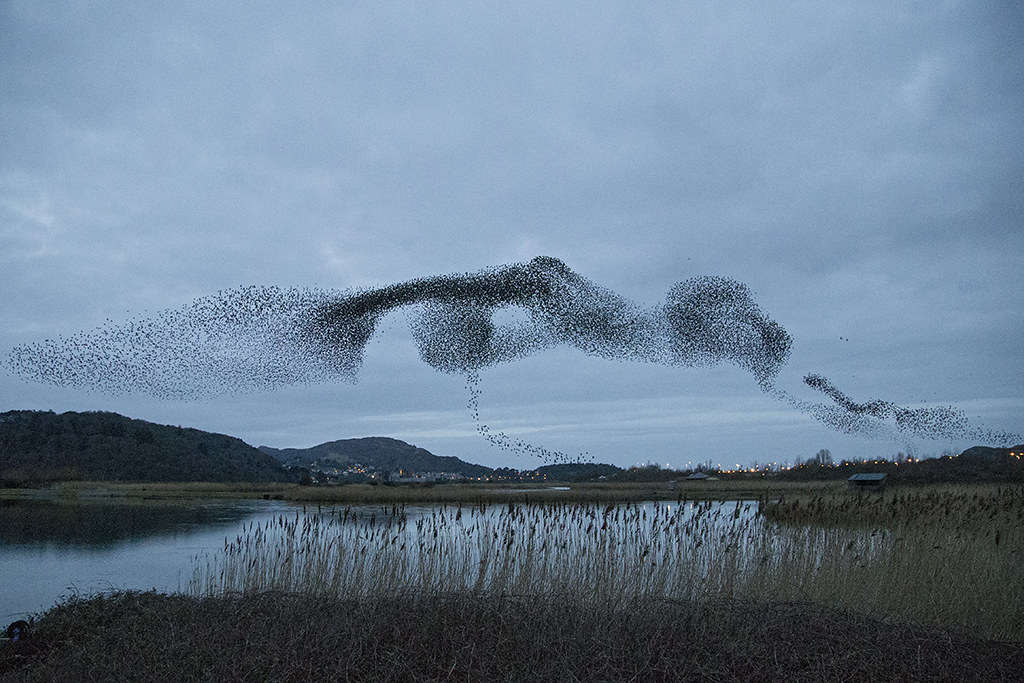 Your imagination can go wild and they are truly a magnificent sight to rival anything the natural world can produce anywhere in the world.
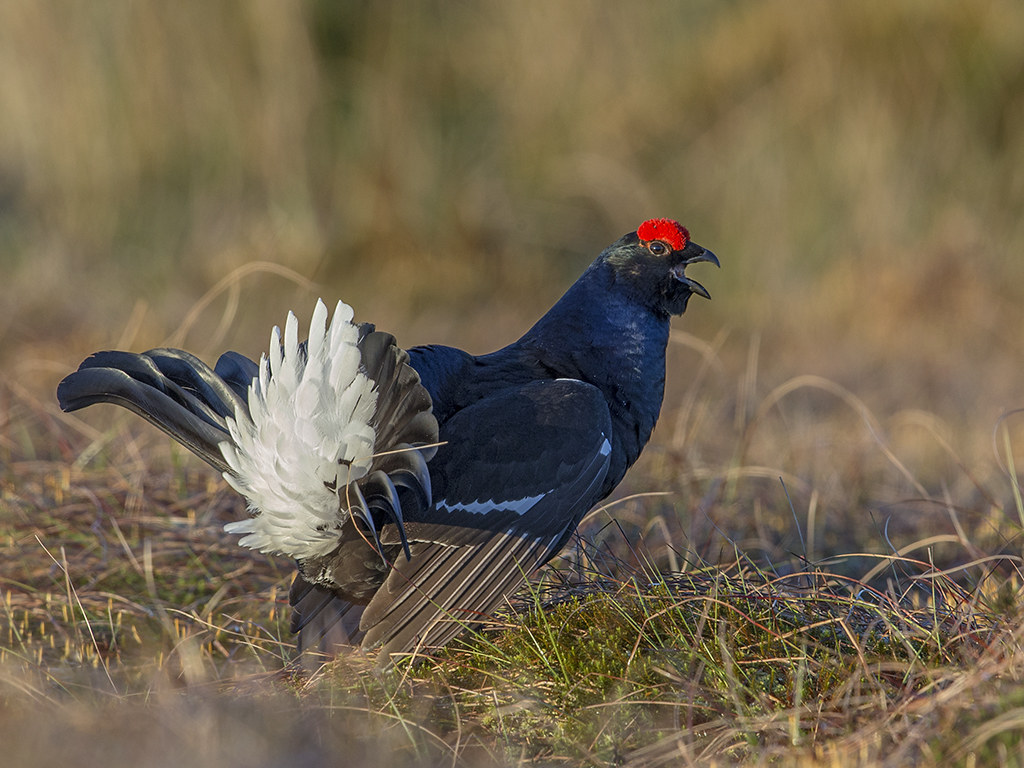
 Another rarity in the southern half of the UK particularly is the Black Grouse. They gather at dawn every morning at their usual lekking spot and you need to get there well before first light to avoid any disturbance.
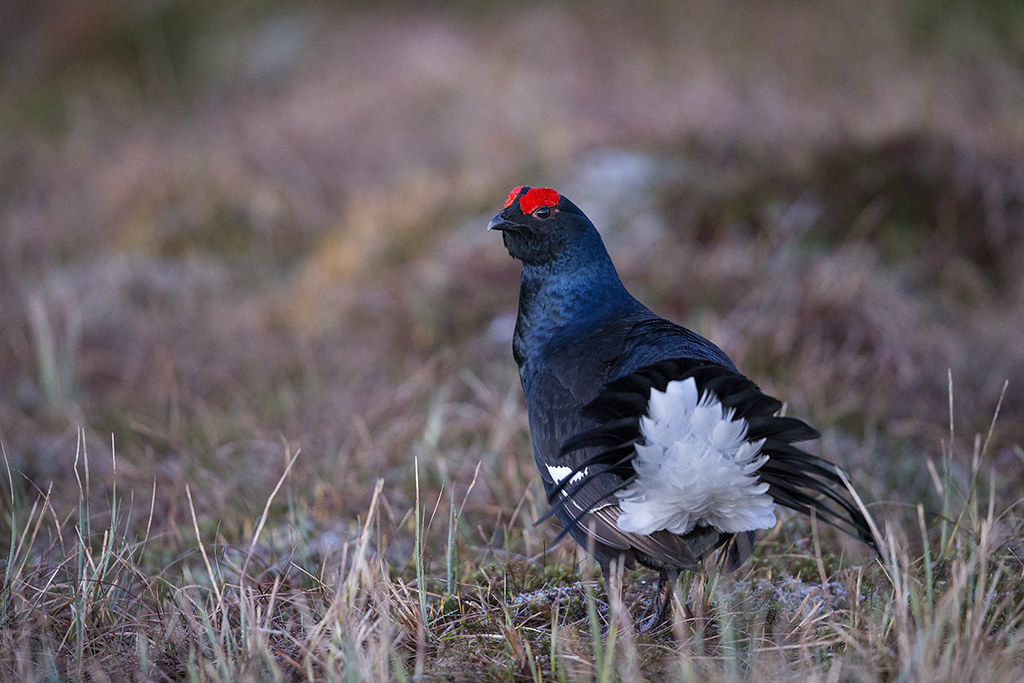 It's an hours drive to the site but the unearthly hour I have to get up does reward those who make the effort.
 In to April and May it's wonderful to see the new growth and spring flowers that bring with them the arrival of the summer migrants.
One of the first to return to our garden is the Chiffchaff
In to April and May it's wonderful to see the new growth and spring flowers that bring with them the arrival of the summer migrants.
One of the first to return to our garden is the Chiffchaff
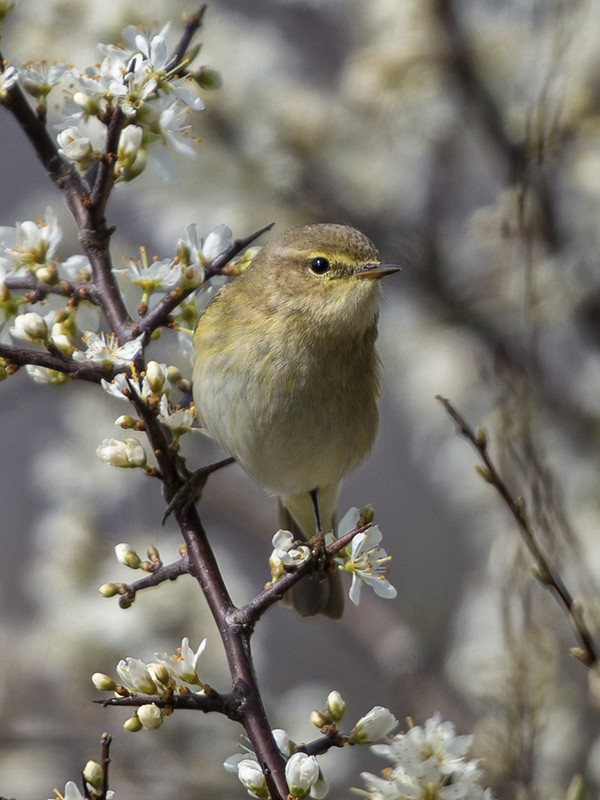 The delight of hearing him for the first time soon becomes a bit of an irritation with his constant Chiffchaff call as he claims his territory. The numbers have increased in recent years too and we have several pairs in and around our garden. It's a nice reward to see their offspring later in the summer too.
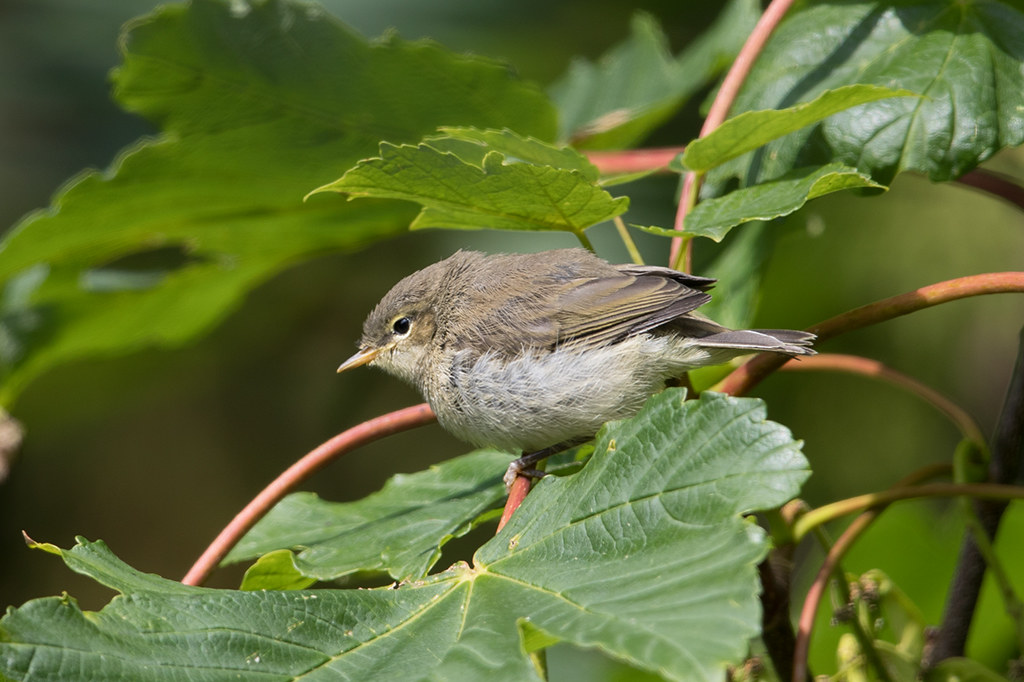 One of the more furtive birds is another regular summer visitor, the Blackcap. They feed mainly on insects but on their first arrival eek out their diet with Ivy berries too. I have plenty of them around and about.
One of my favourite shots of the year was this group of newly fledged chicks.
One of the more furtive birds is another regular summer visitor, the Blackcap. They feed mainly on insects but on their first arrival eek out their diet with Ivy berries too. I have plenty of them around and about.
One of my favourite shots of the year was this group of newly fledged chicks.
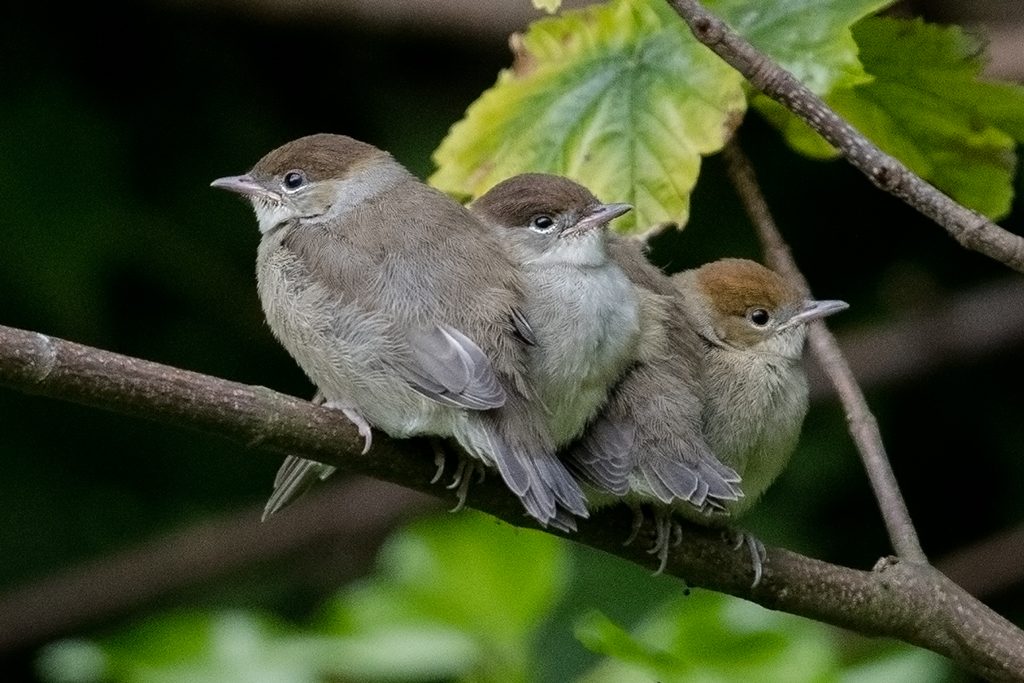 A sight I hadn't seen before and it was truly heart warming. Their last moments together before splitting up and heading off their own separate ways. Hopefully they will end up back here next year.
We had a pretty miserable spring here this year, wet and damp. I had arranged a week's photography trip to Iceland with my regular travel companion and near neighbour Mike. We were watching the weather there with trepidation. It was still covered in snow in the area we were booked to stay. As it turned out we had better weather than here in the UK.
By the time the weather and light had improved sufficiently most birds had bred and their chicks fledged. I have to admit to being a fair weather birder when at home.
I just caught up with a Grey Wagtail family before they parted company.
A sight I hadn't seen before and it was truly heart warming. Their last moments together before splitting up and heading off their own separate ways. Hopefully they will end up back here next year.
We had a pretty miserable spring here this year, wet and damp. I had arranged a week's photography trip to Iceland with my regular travel companion and near neighbour Mike. We were watching the weather there with trepidation. It was still covered in snow in the area we were booked to stay. As it turned out we had better weather than here in the UK.
By the time the weather and light had improved sufficiently most birds had bred and their chicks fledged. I have to admit to being a fair weather birder when at home.
I just caught up with a Grey Wagtail family before they parted company.
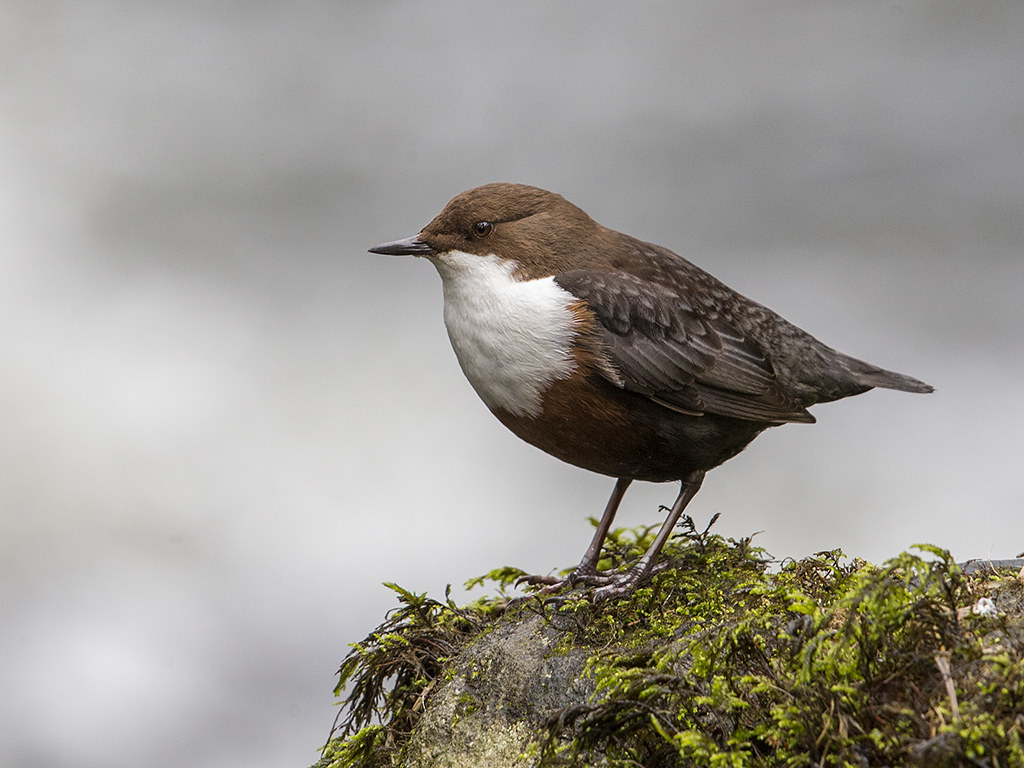
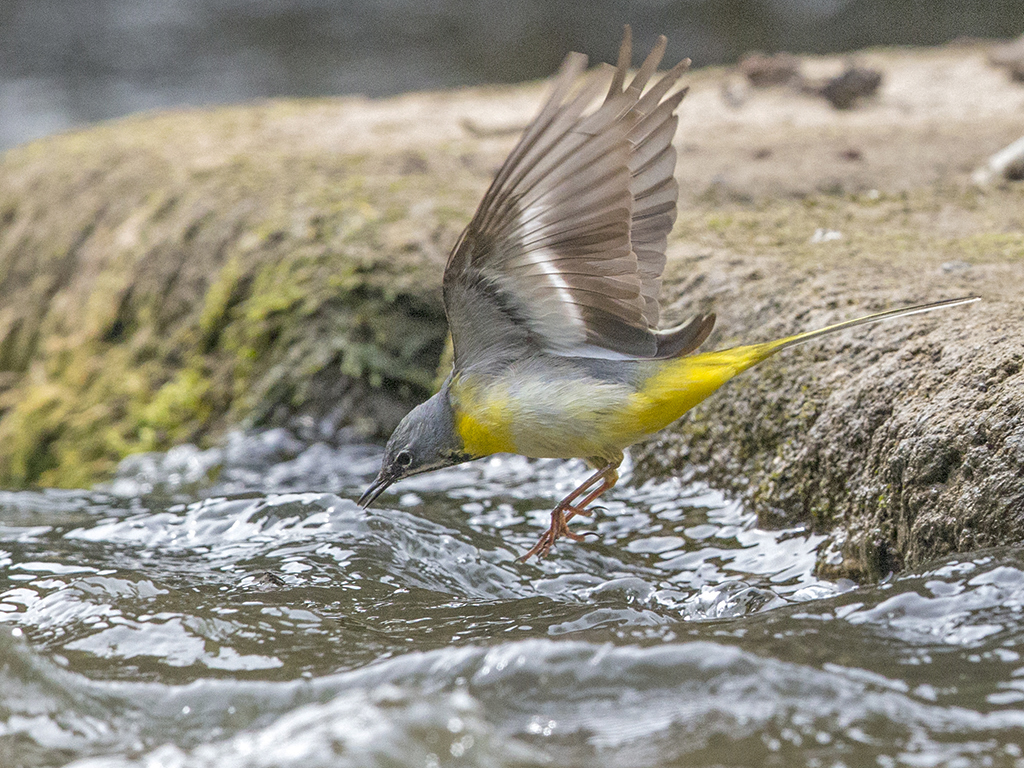 and while I was at it, the local Dipper population is quite good. it's love of fast running water and mountain streams make it more unusual in other parts of the UK.
 I have two regular haunts for photography. One is the garden, the other my local reserve.
Both can seem a little devoid of new interest at certain times of the year so when I heard there was a Great Egret at the reserve it was worth a visit.
I have two regular haunts for photography. One is the garden, the other my local reserve.
Both can seem a little devoid of new interest at certain times of the year so when I heard there was a Great Egret at the reserve it was worth a visit.
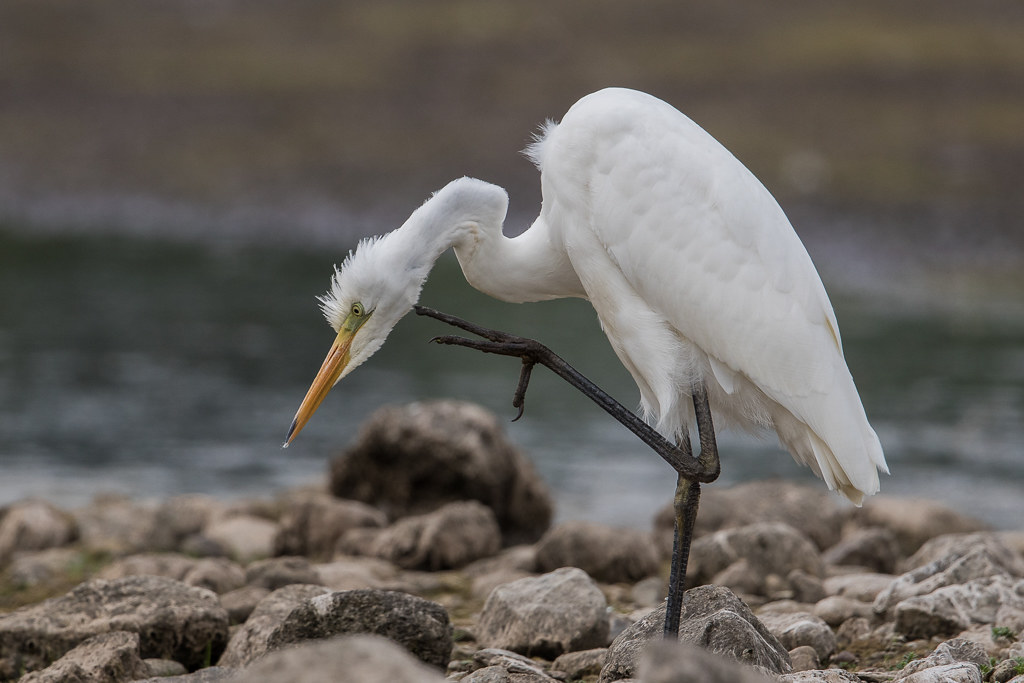 They may be common in other parts of the world but they are still a rarity in the UK although less so each passing year.
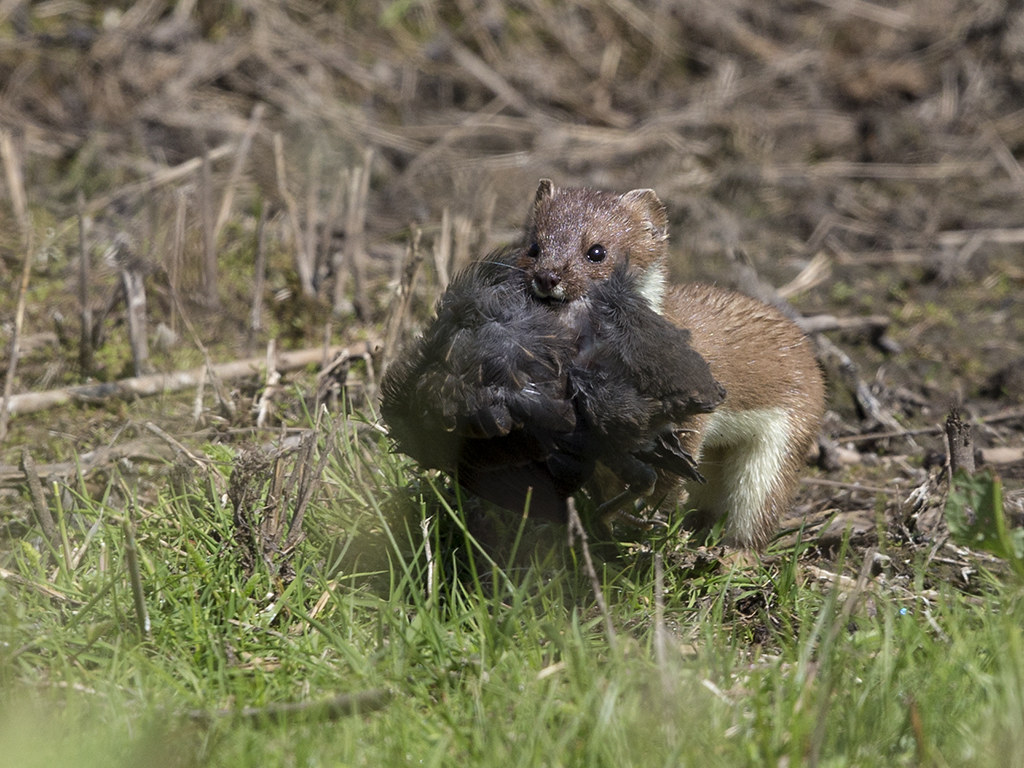
The local reserve used to be one of the best spots in the UK for photographing Stoats, particularly when they have a new litter who come out to play. Unfortunately sightings have become quite rare this last couple of years as it's presumed they have moved their dens after floods a couple of years back. I had one brief glimpse this year but managed to capture the action.
They may be common in other parts of the world but they are still a rarity in the UK although less so each passing year.
The local reserve used to be one of the best spots in the UK for photographing Stoats, particularly when they have a new litter who come out to play. Unfortunately sightings have become quite rare this last couple of years as it's presumed they have moved their dens after floods a couple of years back. I had one brief glimpse this year but managed to capture the action.
 Back in the garden one mammal that was definitely an unwanted guest, well after he's been photographed anyway, was this Brown Rat.
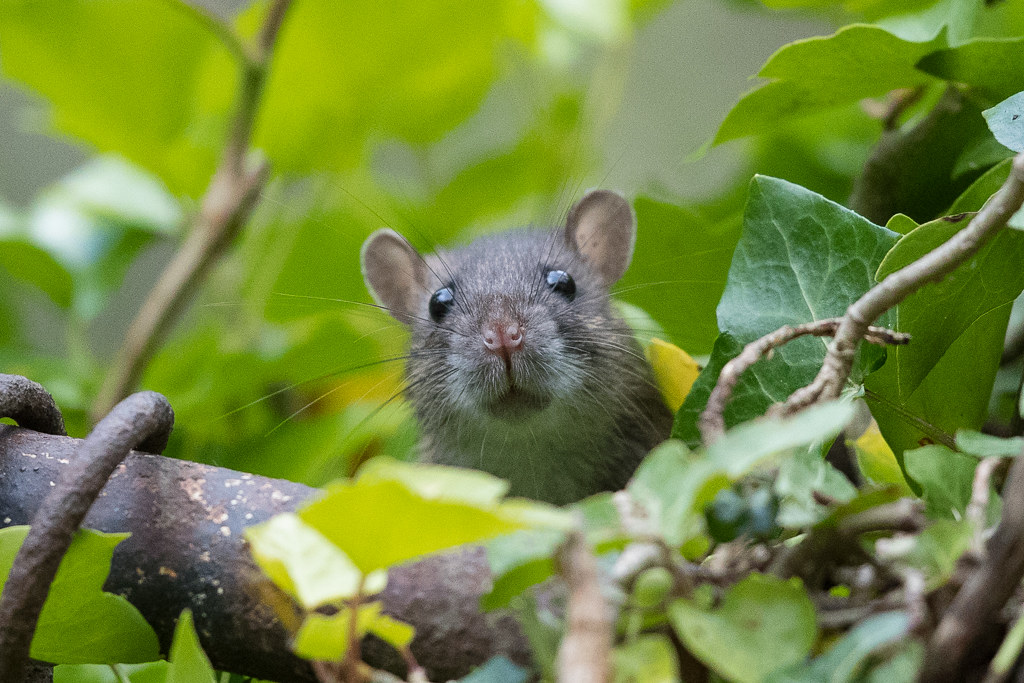 One of the downsides of feeding the birds, this fella had no hesitation of climbing to the feeders and stealing all he could.
That meant we withheld feeding for a few weeks until we were sure he was gone but with it went some of our birds too. They come back eventually though.
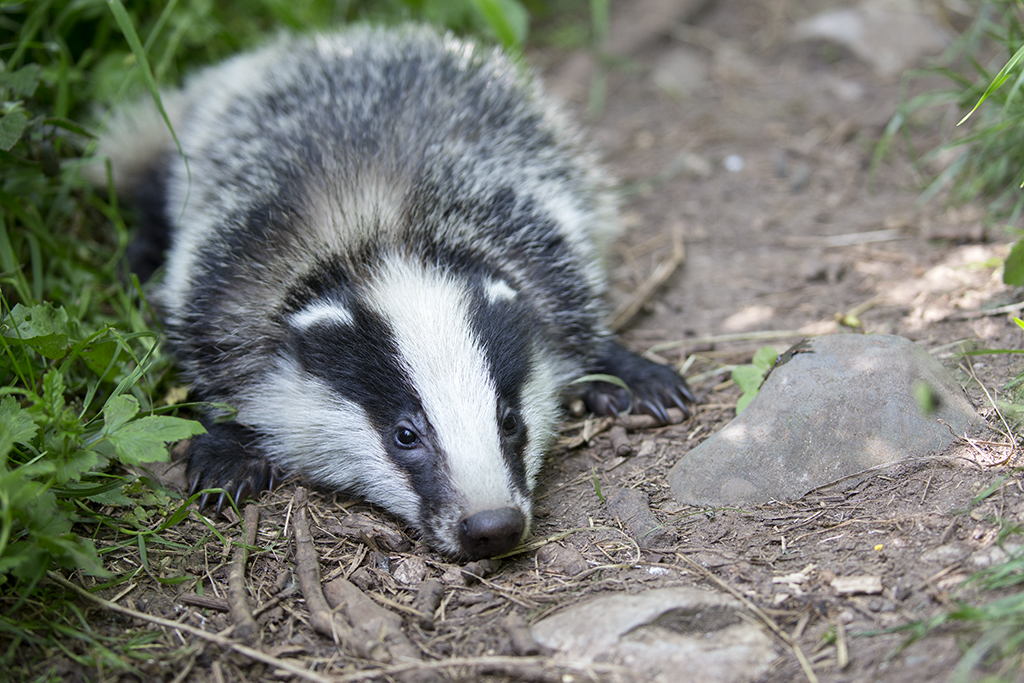
Mammal sightings in the UK are not that common. There are plenty about but most are nocturnal like the Badgers. This was only my 4th sighting ever and yet they live just down the road.
One of the downsides of feeding the birds, this fella had no hesitation of climbing to the feeders and stealing all he could.
That meant we withheld feeding for a few weeks until we were sure he was gone but with it went some of our birds too. They come back eventually though.
Mammal sightings in the UK are not that common. There are plenty about but most are nocturnal like the Badgers. This was only my 4th sighting ever and yet they live just down the road.
 I don't think this youngster was long for this world I'm afraid.
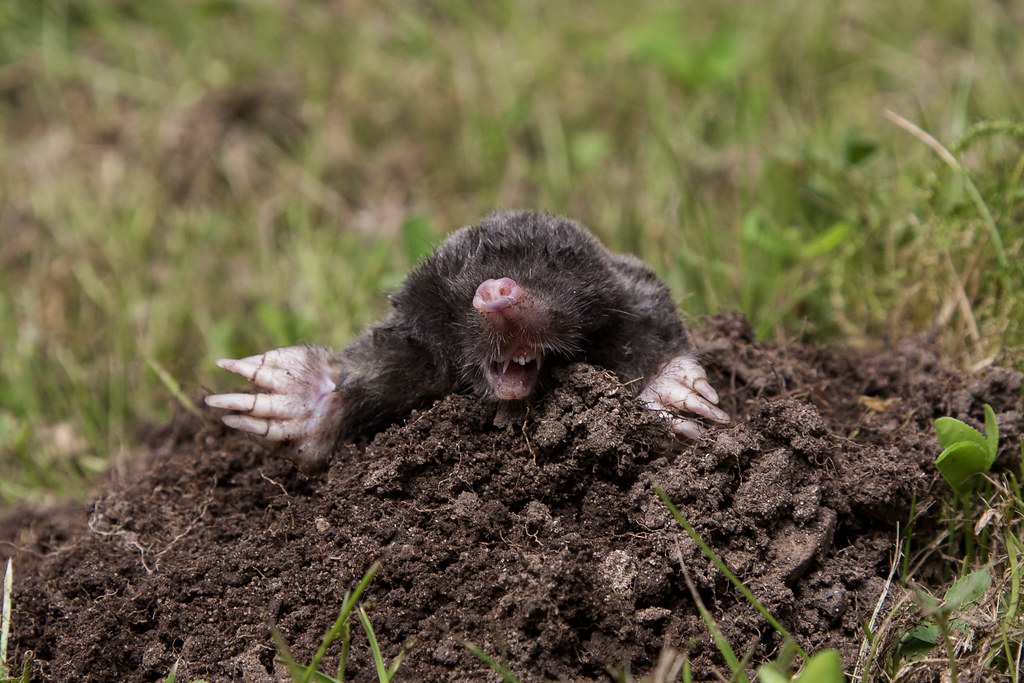
This one had definitely already departed. A passer by spotted him lying by the side of the footpath so I decided to take advantage of his demise. Seeing a live Mole is a rarity as they spend nearly all their time underground. This near perfect specimen was as good as you will get so I gave him a brush and put him in one of the nearby mole hills for a more dignified and realistic shot. Nobody has noticed he's an ex-mole so I'm sharing my dark secret for the first time.
I don't think this youngster was long for this world I'm afraid.
This one had definitely already departed. A passer by spotted him lying by the side of the footpath so I decided to take advantage of his demise. Seeing a live Mole is a rarity as they spend nearly all their time underground. This near perfect specimen was as good as you will get so I gave him a brush and put him in one of the nearby mole hills for a more dignified and realistic shot. Nobody has noticed he's an ex-mole so I'm sharing my dark secret for the first time.
 Well the UK summer can be a bit sparse for subjects and I'll try anything.
Come the Autumn and we do get the odd migrant dropping in on their way south.
Over in Anglesey, a Wryneck had been reported and I had to go. This is a species that was at the very top of my wanted list for several years. Along with pal Mike we had hoped to see one on trips to Hungary and Bulgaria but had failed.
Now we had a chance and what a chance it turned out to be! Usually they are seen on the East coast of the UK, not the West where I am. It was a 90 mile round trip but well worth the effort and I went twice in an attempt to get a decent shot.
After the first visit I was pleased to have at least got this shot.
Well the UK summer can be a bit sparse for subjects and I'll try anything.
Come the Autumn and we do get the odd migrant dropping in on their way south.
Over in Anglesey, a Wryneck had been reported and I had to go. This is a species that was at the very top of my wanted list for several years. Along with pal Mike we had hoped to see one on trips to Hungary and Bulgaria but had failed.
Now we had a chance and what a chance it turned out to be! Usually they are seen on the East coast of the UK, not the West where I am. It was a 90 mile round trip but well worth the effort and I went twice in an attempt to get a decent shot.
After the first visit I was pleased to have at least got this shot.
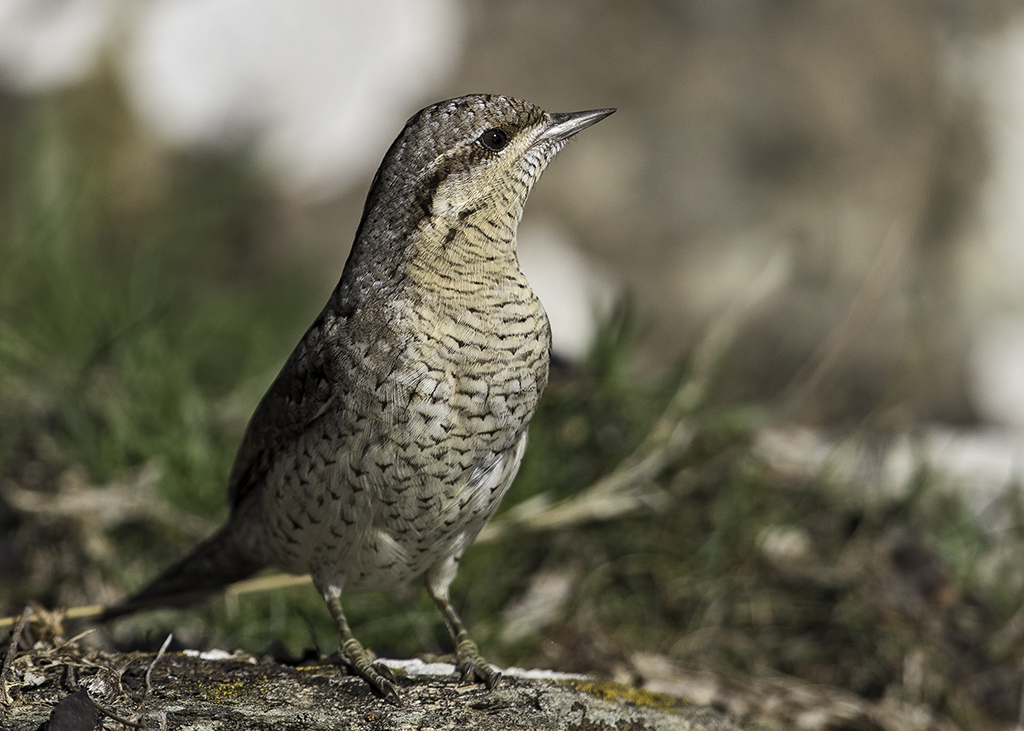 but the return was even better with the bird showing magnificently.
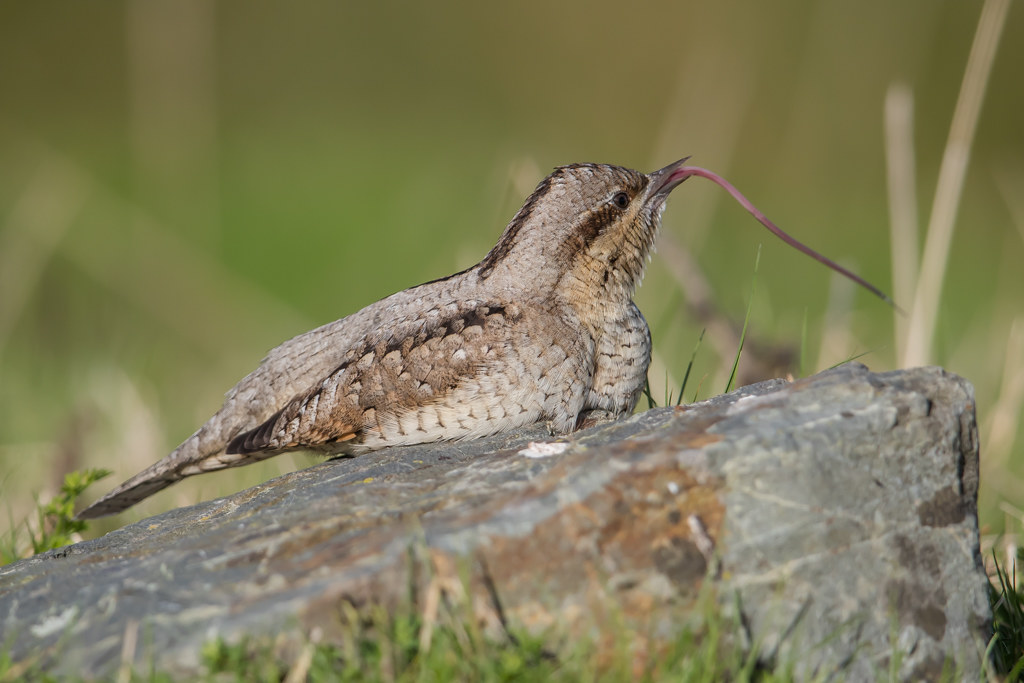 Just look at that tongue which it uses to probe for insects!
The bird was happy to hunt, groom, stretch
Just look at that tongue which it uses to probe for insects!
The bird was happy to hunt, groom, stretch
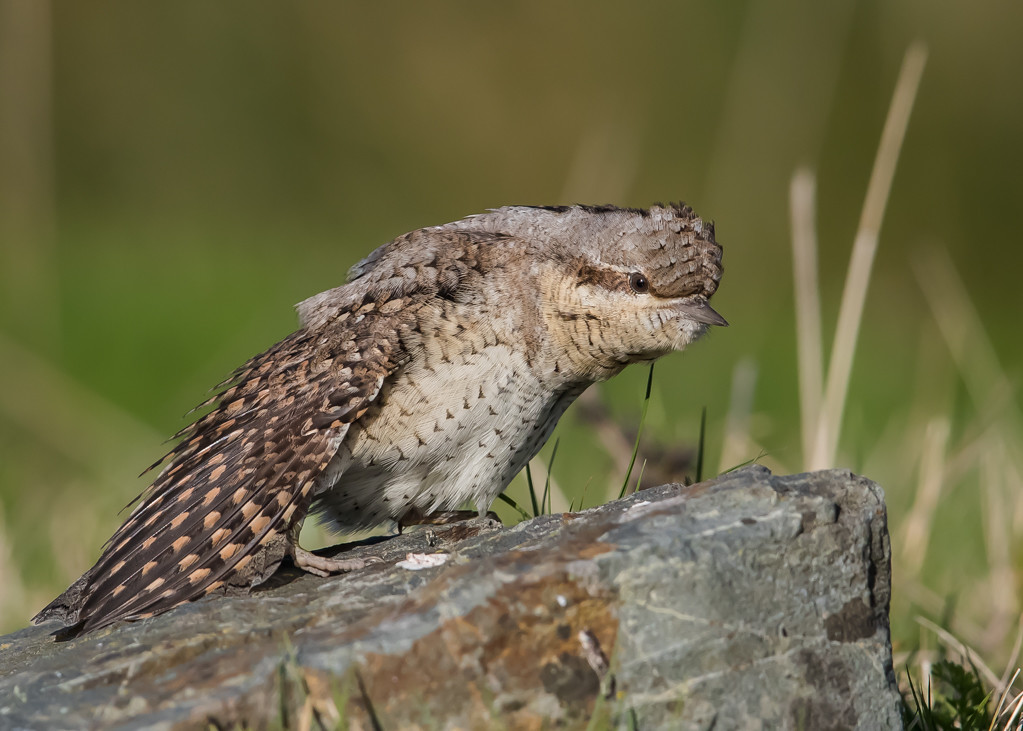 and even yawn.
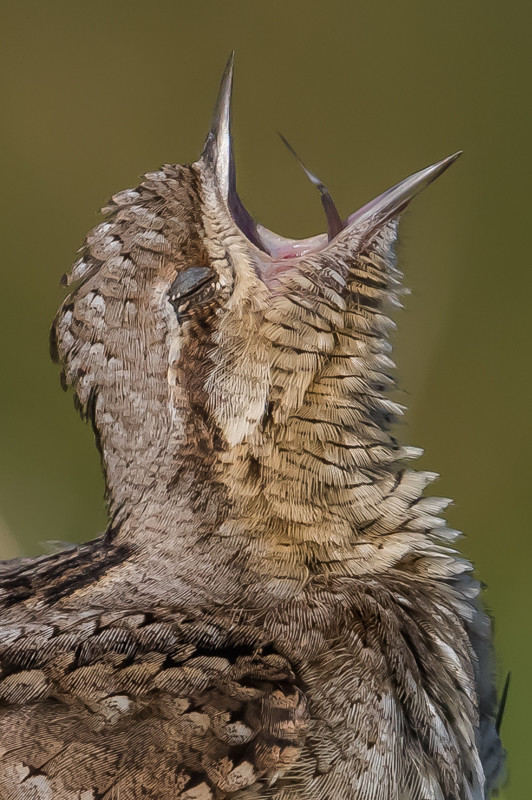 I felt it was a monkey off my back, but the wait and previous frustrations had been well worth it.
Within a fortnight we had another extremely rare visitor, this time a Booted Warbler right on the doorstep virtually.
I felt it was a monkey off my back, but the wait and previous frustrations had been well worth it.
Within a fortnight we had another extremely rare visitor, this time a Booted Warbler right on the doorstep virtually.
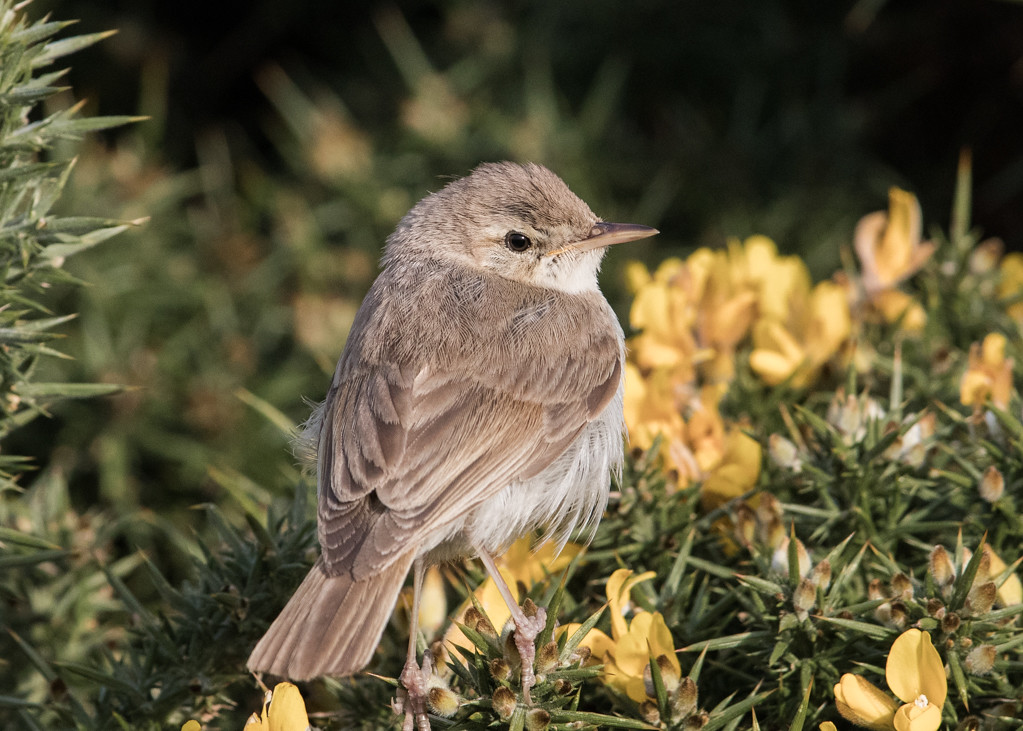 These are resident in Siberia in the summer and head south to India for the winter. This one was way off course.
During the week it was present birdwatchers from all over the UK arrived to take a look.
It was feeding well it seemed.
These are resident in Siberia in the summer and head south to India for the winter. This one was way off course.
During the week it was present birdwatchers from all over the UK arrived to take a look.
It was feeding well it seemed.
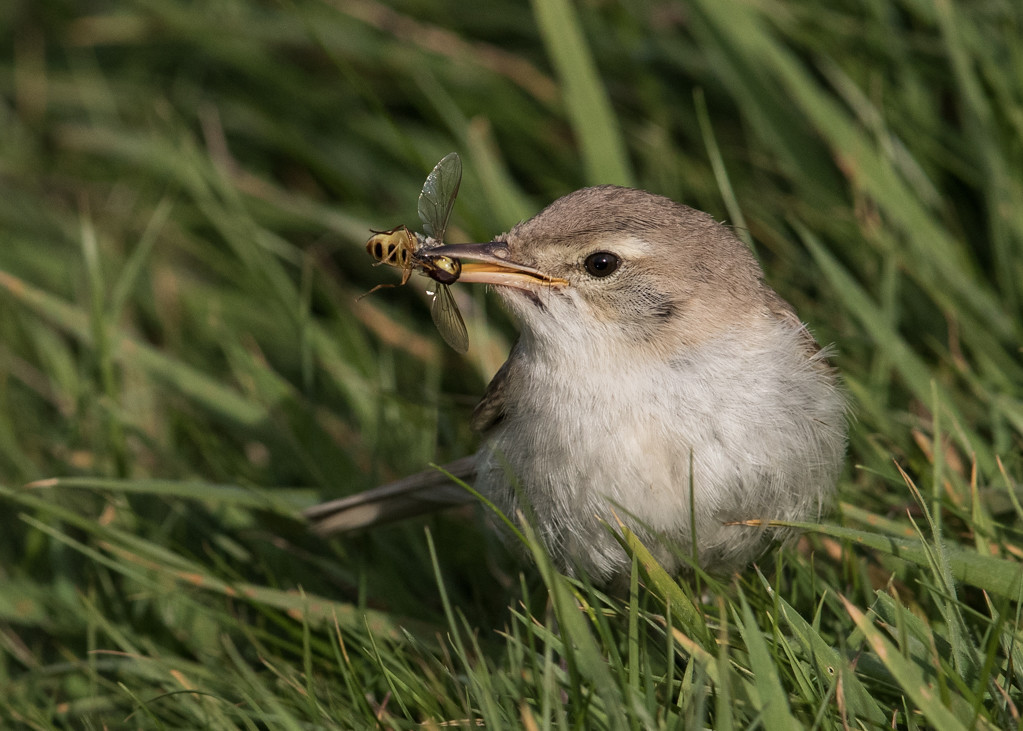 But it was loosing it's tail feathers.
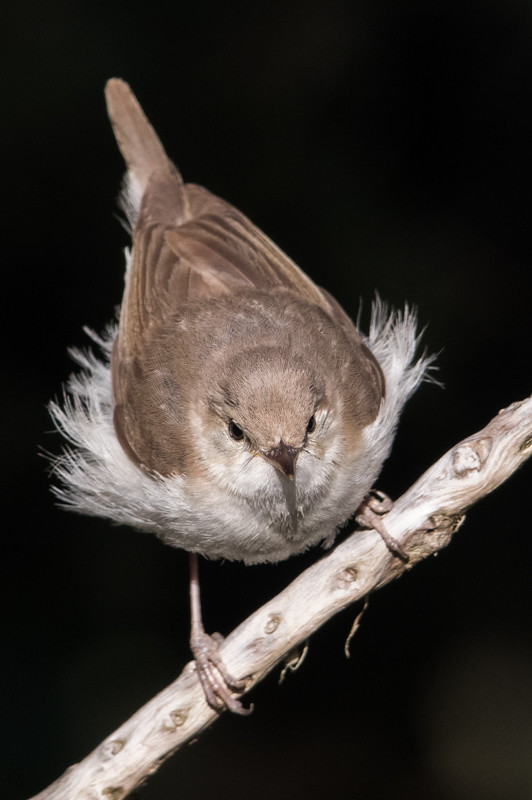 We already knew that it's chances of survival were slim but now it was more or less a certainty there would be no happy ending. Here one day, vanished the next, my guess is that it fell prey to a Sparrowhawk or such like.
Sadly that's what usually happens. Only yesterday we had a Hoopoe down at the local reserve. Again, very unusual birds in the UK. I didn't get around to going to see it as I have seen many on my foreign travels. I won't see this one for sure. Within 24 hours it had met it's demise, taken by a Peregrine Falcon in front of witnesses this time.
So that brings my local Welsh year up to date. Maybe not a great deal to some but the fact that unusual sightings are rarer and more difficult to come by makes them all the more precious. I have made a couple of trips in to England but that's all. With winter now really starting to take a grip it's time for me to migrate too.
Next stop The Gambia
until then...cheers!
We already knew that it's chances of survival were slim but now it was more or less a certainty there would be no happy ending. Here one day, vanished the next, my guess is that it fell prey to a Sparrowhawk or such like.
Sadly that's what usually happens. Only yesterday we had a Hoopoe down at the local reserve. Again, very unusual birds in the UK. I didn't get around to going to see it as I have seen many on my foreign travels. I won't see this one for sure. Within 24 hours it had met it's demise, taken by a Peregrine Falcon in front of witnesses this time.
So that brings my local Welsh year up to date. Maybe not a great deal to some but the fact that unusual sightings are rarer and more difficult to come by makes them all the more precious. I have made a couple of trips in to England but that's all. With winter now really starting to take a grip it's time for me to migrate too.
Next stop The Gambia
until then...cheers!
